


USAF Unveils First Operational Base for B-21 Raider Stealth Bomber
By Garth Calitz

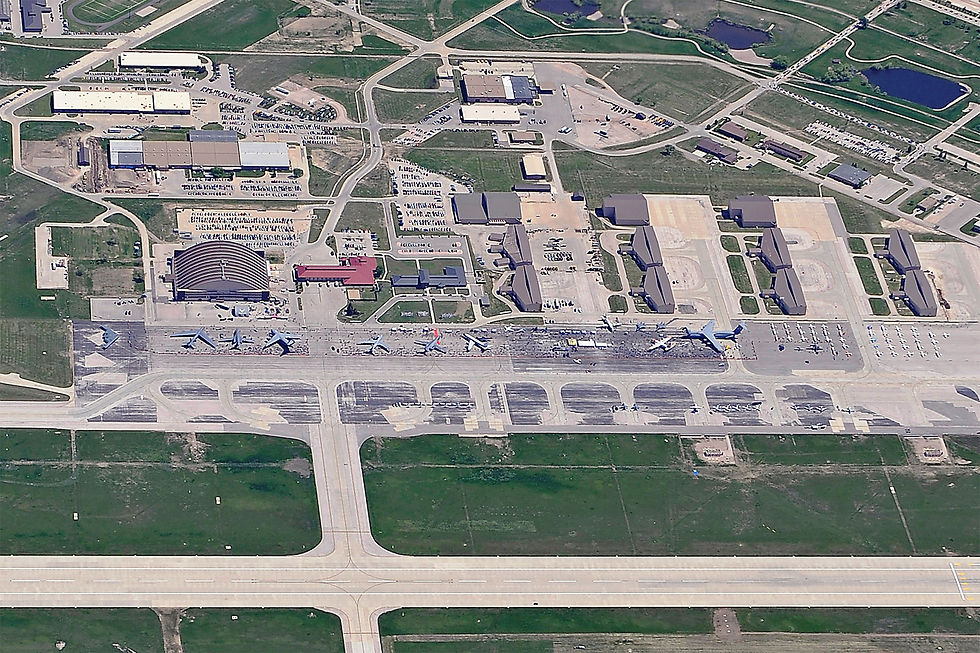
The United States Air Force has officially commenced the operational preparation phase at Ellsworth Air Force Base in South Dakota to serve as the aircraft's first permanent operating base for the next-generation B-21 Raider stealth bomber.
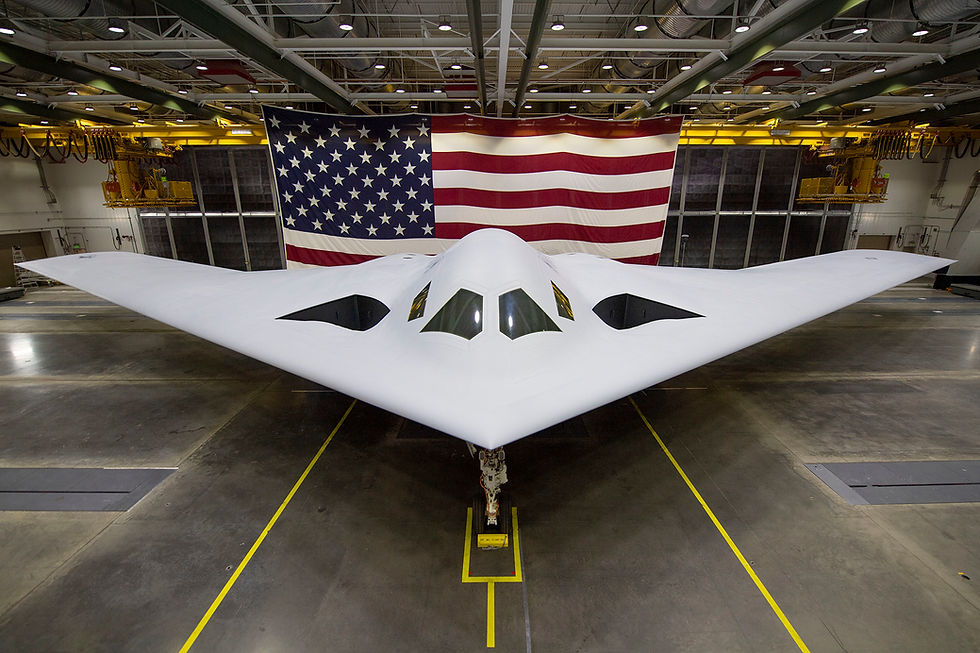
The development marks a significant step in one of the U.S. Air Force's largest modernisation programmes, as the service prepares to transition from the long-serving B-1B Lancer and B-2 Spirit to the sixth-generation B-21 Raider. Backed by an infrastructure investment estimated at around US$2 billion, Ellsworth is being transformed into the centre of future Raider operations, training and sustainment.
The milestone was highlighted during a visit by U.S. Secretary of the Air Force Troy Meink on 30 June and 1 July 2026. During the visit, the Air Force formally accepted the first two operational facilities constructed specifically for the B-21 programme: a US$161 million Low Observable Restoration Facility and a US$81 million Wash Rack and General Maintenance Hangar.
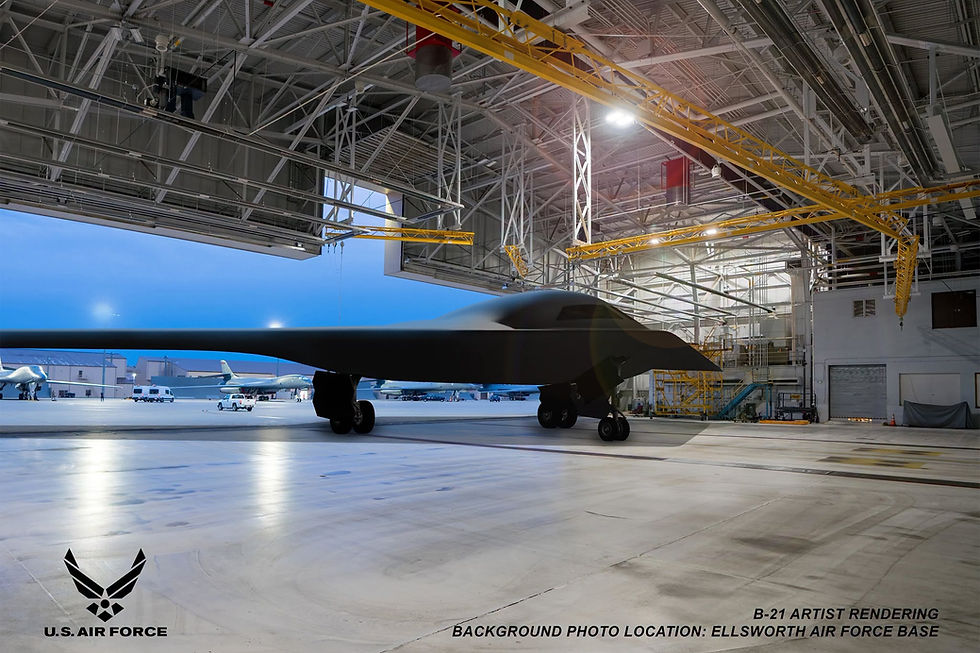
These are the first completed projects in a broader redevelopment programme that will ultimately reshape Ellsworth into the primary hub for the Air Force's newest strategic bomber.
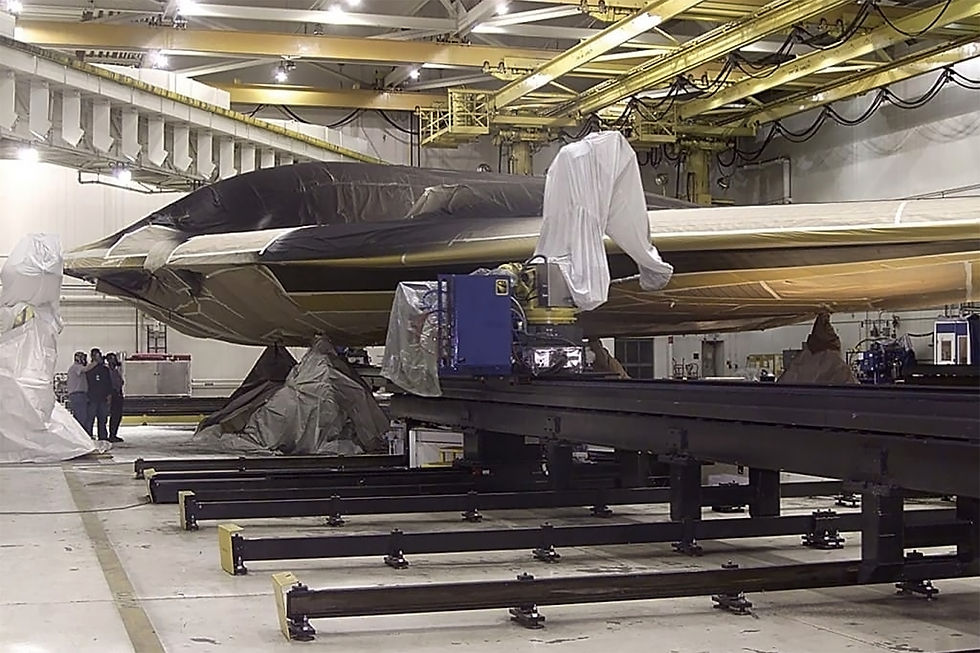
Unlike conventional military aircraft, stealth bombers require specialised maintenance to preserve the radar-absorbing materials and coatings that reduce their visibility to enemy radar systems.
The newly completed Low Observable Restoration Facility has been purpose-built to inspect, repair and maintain these sensitive coatings in a carefully controlled environment. The facility is expected to improve maintenance efficiency while ensuring the aircraft retains its low-observable characteristics throughout its service life.

Alongside it, the new maintenance hangar and wash facility will support routine servicing, inspections and aircraft preparation, helping maintain high aircraft availability once operational squadrons begin flying the Raider.
Although the buildings have now been handed over to the Air Force, work continues to install secure communications systems, information technology networks, specialised maintenance equipment and mission support infrastructure before they become fully operational.

When the transition is complete, Ellsworth will become home to the first operational B-21 aircraft as well as the Formal Training Unit, where future pilots, aircrew and maintenance personnel will receive their initial training on the new bomber.
This combination of operational squadrons and training capability will make the South Dakota base the centrepiece of the Air Force's future bomber force and provide a blueprint for additional B-21 operating locations.
Future Raider bases are planned for Whiteman Air Force Base in Missouri and Dyess Air Force Base in Texas, allowing the fleet to expand gradually while maintaining the existing strategic bomber force during the transition.
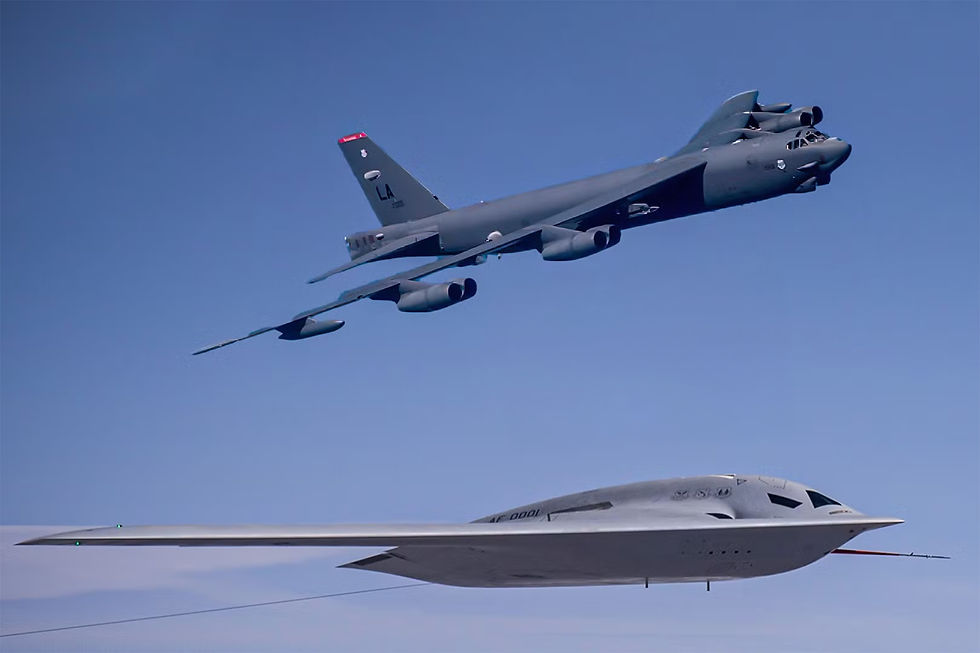
For more than seven decades, long-range bombers have formed one of the three pillars of the United States' nuclear deterrent, alongside land-based intercontinental ballistic missiles and ballistic missile submarines. Aircraft such as the B-52 Stratofortress, first flown in 1952, demonstrated remarkable longevity, while later bombers, including the supersonic B-1B Lancer and stealthy B-2 Spirit, introduced new capabilities to meet evolving strategic challenges.

However, advances in integrated air defence systems, long-range surface-to-air missiles and sophisticated radar technology have steadily reduced the effectiveness of older bomber designs. The B-21 Raider has been conceived to overcome these emerging threats while providing a platform that can adapt to future technologies throughout its planned decades-long service life.

The B-21 Raider was developed by Northrop Grumman as part of the U.S. Air Force's Long Range Strike Bomber programme. The company received the Engineering and Manufacturing Development contract in 2015, beginning a programme that has since progressed through extensive ground testing, flight trials and low-rate initial production.
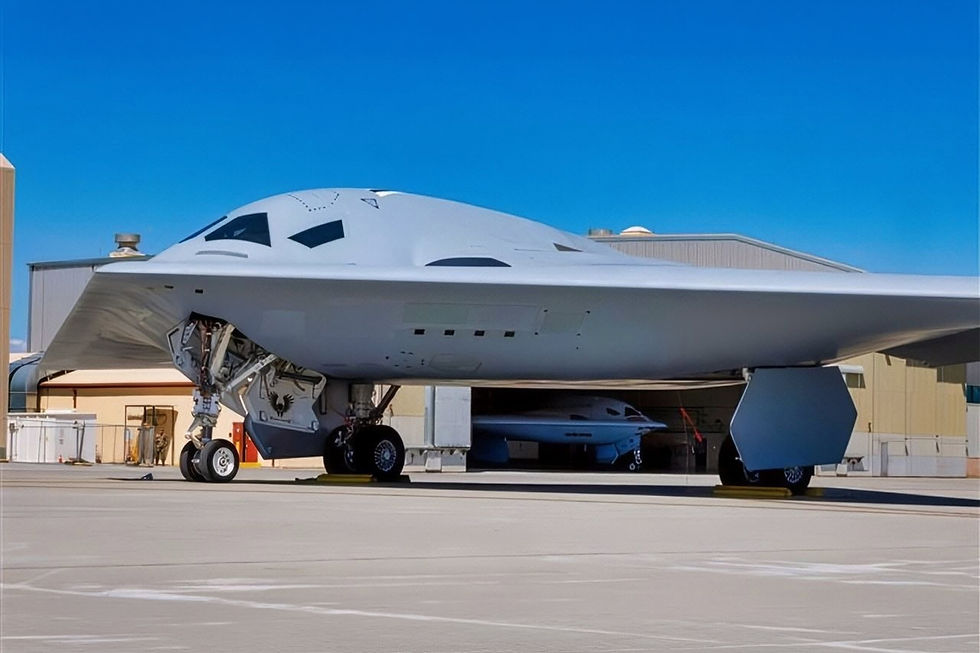
Unlike many previous military aircraft programmes, the Raider has been developed using digital engineering techniques, allowing designers to build and test virtual models long before components reach the production line. This approach has helped identify design issues early, streamline manufacturing and simplify future upgrades.
Current Air Force plans call for at least 100 aircraft, although several defence analysts have argued that a larger fleet may eventually be required to meet the United States' global commitments.
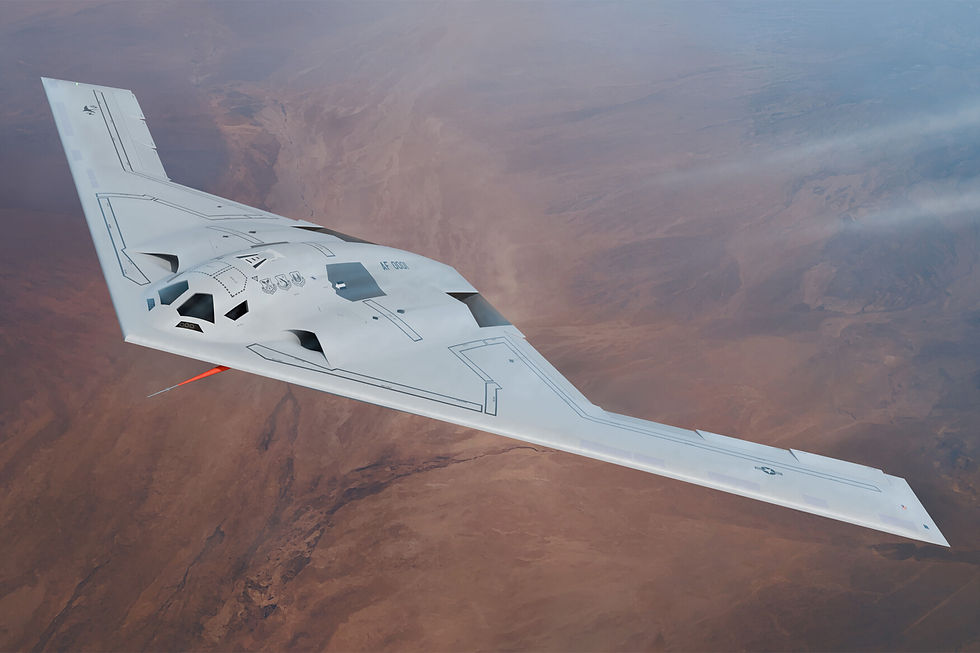
The Raider is expected to progressively replace both the B-1B Lancer and the B-2 Spirit while operating alongside the modernised B-52J Stratofortress, extending the nation's long-range strike capability well into the second half of the century.
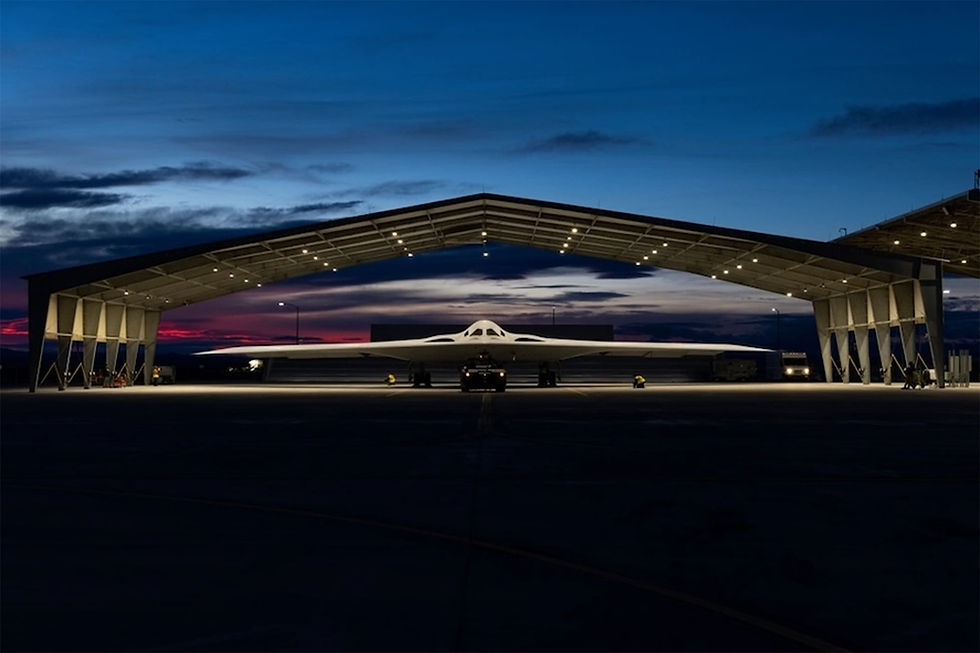
The B-21 is widely regarded as the world's first operational sixth-generation strategic bomber. Designed from the outset to operate in heavily defended airspace, it combines advanced stealth shaping with next-generation radar-absorbing materials, secure digital connectivity and an open mission systems architecture. Unlike earlier aircraft, many of the Raider's future capability improvements are expected to be delivered through software updates rather than major structural modifications.
While many of the aircraft's specifications remain classified, it is expected to carry both conventional and nuclear weapons and to undertake missions ranging from deep precision strike to intelligence gathering and electronic warfare support. The bomber is also designed to operate as part of a highly connected combat network rather than as an isolated weapons platform.
Future conflicts are expected to rely increasingly on rapid data sharing between aircraft, satellites, naval forces and ground units. The B-21 has therefore been designed to function as a key node within the U.S. military's Joint All-Domain Command and Control (JADC2) architecture.
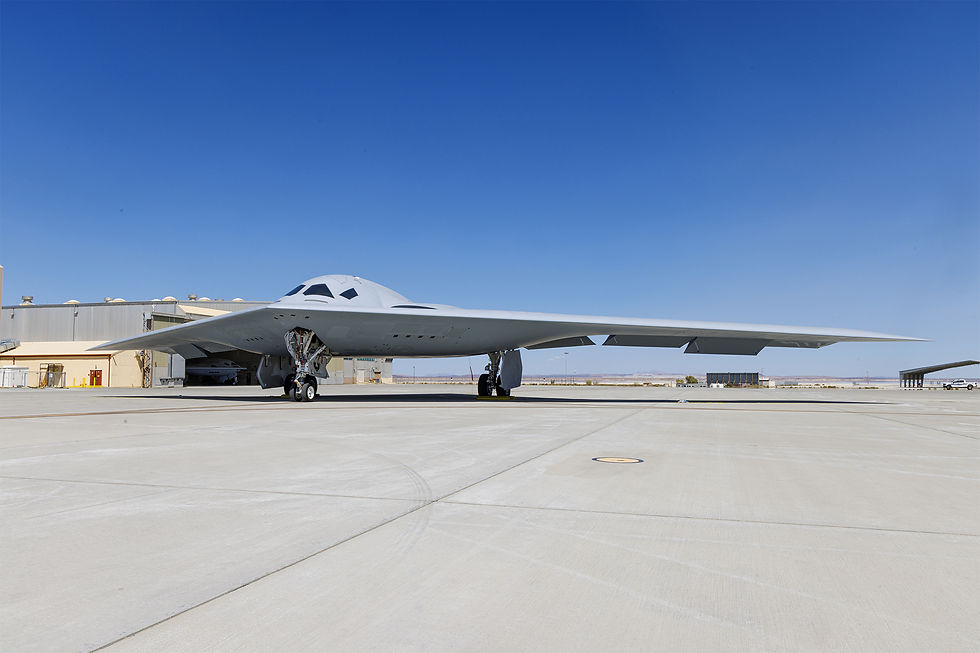
This will allow it to exchange information with fifth-generation fighters such as the F-35 Lightning II and F-22 Raptor, collaborative combat aircraft, airborne command-and-control platforms, space-based assets and long-range precision weapons. Rather than simply delivering weapons on target, the Raider will contribute to a broader operational picture, enabling commanders to coordinate complex missions across multiple domains.
As construction continues at Ellsworth and future operating bases prepare for the Raider, the B-21 programme is steadily moving from development into operational service. Its arrival represents more than the introduction of a new aircraft. It signals a shift towards a highly connected, digitally engineered force designed to remain relevant as threats evolve over the coming decades.
With the first production aircraft expected to enter operational service later this decade, the B-21 Raider is poised to become one of the defining military aircraft of the 21st century, ensuring the U.S. Air Force retains a credible long-range strike capability in an increasingly complex global security environment.





Comments