


MagniX Launches Innovative Air-Cooled Electric Engine for General Aviation Market

Electric propulsion specialist magniX has unveiled a new air-cooled electric engine aimed squarely at the general aviation market, marking a further step in the company’s strategy to expand beyond commercial and regional aircraft applications into recreational and training segments.

Announced on 14 April 2026 in Everett, Washington, and Lakeland, Florida, the new magniAIR engine is designed for light aircraft categories, including experimental, light sport, and flight training platforms. The launch coincides with the company’s presence at the SUN ‘n FUN Aerospace Expo, where magniX is showcasing both the engine and a demonstrator aircraft.

At the core of the announcement is the integration of magniAIR into a Van’s Aircraft RV-10 kit-built aircraft. The company plans to conduct the first flight of this electric RV-10 later in 2026, with commercial availability of the motor targeted for 2027. The project is intended to demonstrate not only the engine’s performance but also the practicality of a fully electric powertrain in a widely used general aviation platform.
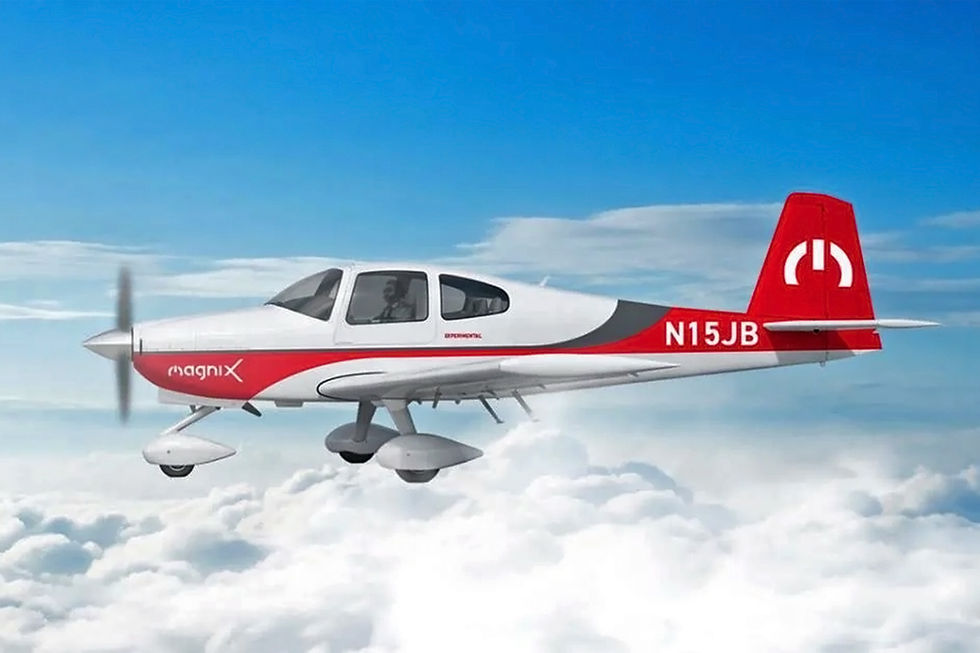
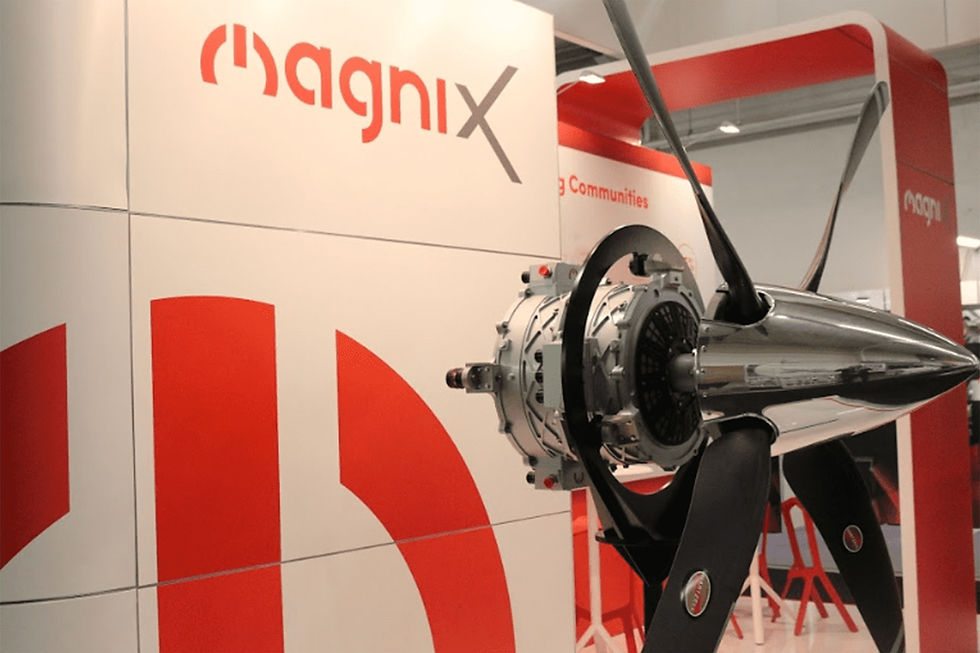
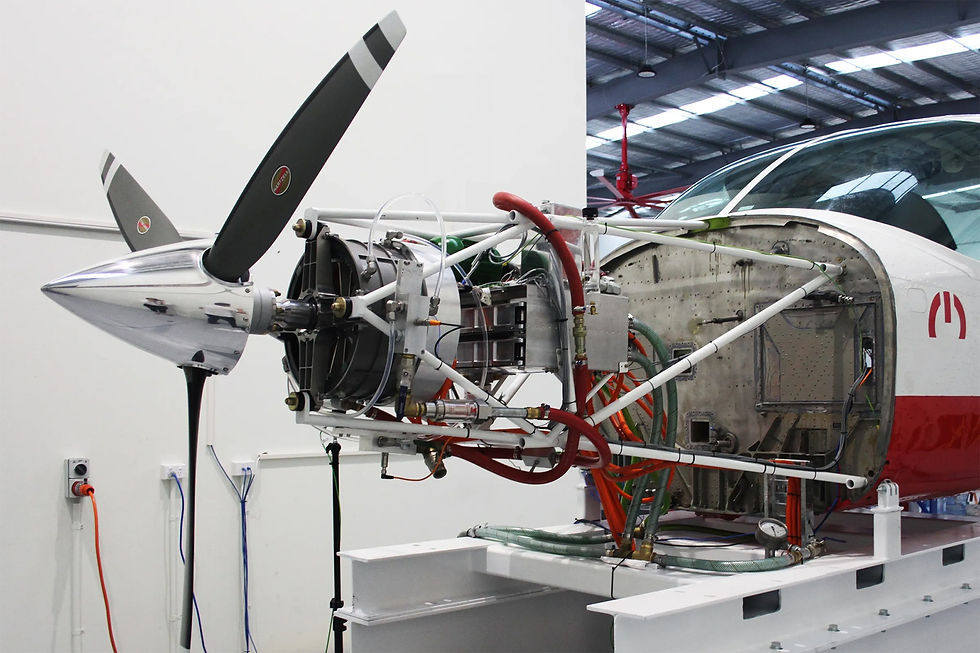
The magniAIR engine boasts a reported output of 175 kW and weighs only 55 kg, making it one of the top options in its class for power-to-weight ratio. It enhances magniX’s proven electric propulsion framework by integrating the company's safety systems and fault management features, which were developed through previous electric flight programs.

Unlike standalone motor solutions, magniX is offering magniAIR as part of a complete propulsion ecosystem. This includes integrated power electronics and the company’s Samson battery system, enabling aircraft builders to adopt a turnkey electric solution. The approach is intended to simplify installation and certification pathways, particularly in the experimental and light sport categories where innovation cycles are typically faster.
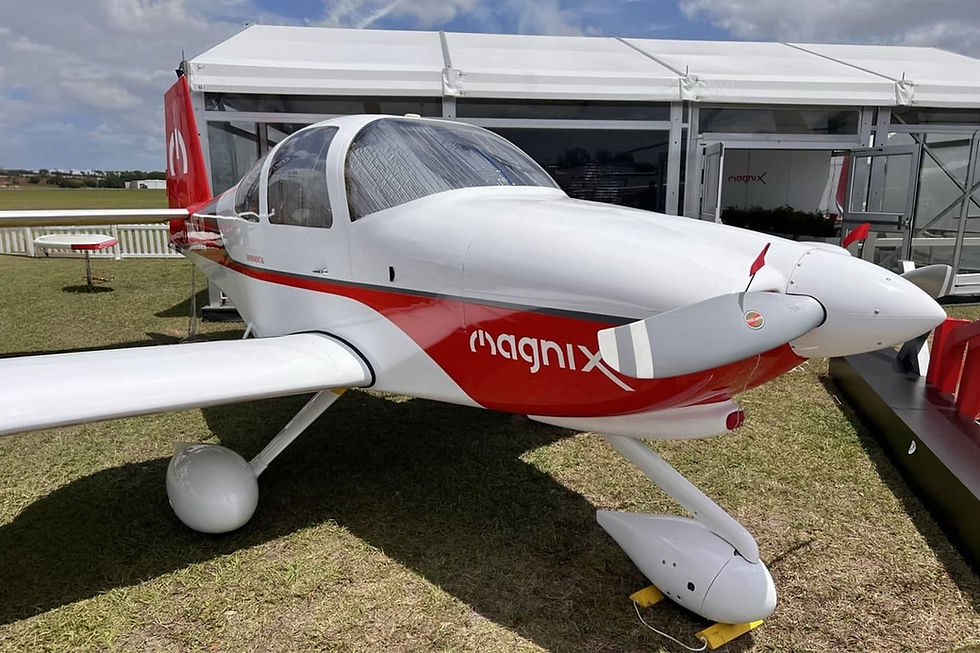
A key focus for magniAIR is the kit aircraft community, a segment that has historically embraced new technologies and alternative propulsion concepts. By targeting this market, magniX aims to lower barriers to entry for aircraft ownership and operation. Electric propulsion eliminates fuel costs and significantly reduces maintenance requirements, factors that can represent a substantial portion of operating expenses for private owners.

The company also sees strong potential in the flight training sector. Many training aircraft currently in service date back several decades, and rising fuel prices have contributed to increasing costs for student pilots. Electric propulsion offers a pathway to lower hourly operating costs, while also addressing environmental concerns through zero in-flight emissions.
Regulatory developments may further support adoption. The Federal Aviation Administration is advancing its Modernisation of Special Airworthiness Certification (MOSAIC) initiative, which is expected to broaden the scope of light sport aircraft. This could enable more capable electric aircraft to operate under simplified certification frameworks, expanding the addressable market for engines like magniAIR.
Beyond general aviation, magniX is positioning the technology for potential applications in adjacent sectors, including electric vertical takeoff and landing (eVTOL) aircraft and certain defence uses. However, the immediate emphasis remains on accessible, near-term markets where certification hurdles are lower and operational benefits can be realised quickly.

Company executives highlighted both economic and industry drivers behind the programme. Rising training costs and a global pilot shortage continue to challenge the aviation sector, while sustainability pressures are accelerating interest in alternative propulsion. MagniX argues that electric systems such as magniAIR can address both issues simultaneously by reducing operating costs and eliminating carbon emissions during flight.

With flight testing of the electric RV-10 expected later this year, magniAIR represents a practical step toward broader adoption of electric propulsion in smaller aircraft categories. If successful, it could signal a shift in how entry-level and recreational aviation platforms are powered in the coming decade.





Comments