


ICAO Calls for Urgent Action to Protect Civil Aircraft Near Conflict Zones

The International Civil Aviation Organisation (ICAO) has issued a renewed warning over the growing dangers faced by civilian aircraft operating near or over conflict zones, calling on governments and industry stakeholders to strengthen measures designed to keep passengers, crews and aircraft safe.


Speaking at the 2026 World Overflight Risk Conference in Valletta, Malta, ICAO Secretary General Juan Carlos Salazar highlighted the increasing threat posed by modern military technologies, including drones, missile systems, advanced air defence networks, and interference with satellite navigation systems. He warned that these developments are creating an environment in which civil aircraft could be mistakenly targeted or caught in the crossfire of armed conflicts.

Salazar said the aviation sector must now adapt to a changing global security landscape in which traditional approaches to managing airspace risk may no longer be sufficient. While airlines and regulators have become more effective at rerouting flights and maintaining operations during crises, he stressed that diversions and temporary airspace closures do not solve the underlying danger.
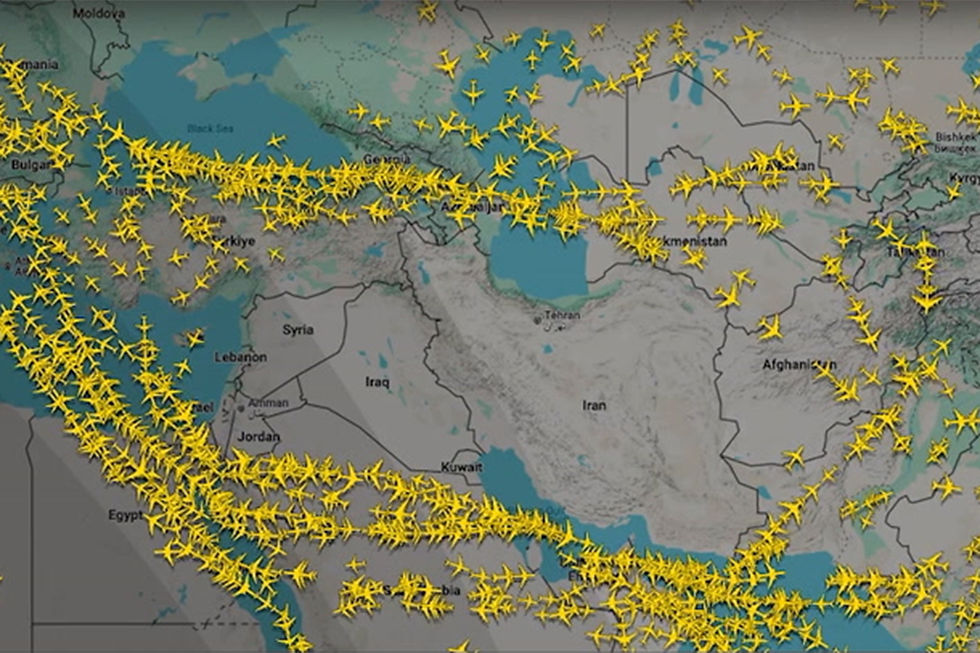
Recent instability in the Middle East served as a clear example. During that period, more than ten countries either partially or fully closed their airspace in response to escalating military tensions. These decisions forced airlines to make lengthy diversions, increased fuel costs, disrupted schedules and added pressure to already complex global route networks. Although the industry demonstrated resilience, ICAO noted that such measures are costly and only short-term responses to deeper security concerns.

At the conference, ICAO urged states to focus on three immediate priorities.
First, governments were encouraged to rapidly share intelligence whenever military activity may pose a risk to civilian flights.
Second, aviation authorities were asked to improve risk assessment systems so that decisions on route closures or operational restrictions can be made quickly and effectively.
Third, ICAO called for stronger coordination between civilian aviation bodies and military organisations to reduce the risk of misidentifying commercial aircraft.
The organisation also pointed to existing international legal protections, particularly Article 3 bis of the Chicago Convention, which prohibits the use of weapons against civilian aircraft in flight. However, ICAO acknowledged that legal frameworks alone are not enough when conflicts intensify and military technologies become more sophisticated.
To improve preparedness, ICAO is finalising a Global Crisis Management Framework intended to coordinate responses when civil aviation is threatened. In parallel, it is updating guidance documents such as its Manual Concerning Safety Measures Relating to Military Activities and its Risk Assessment Manual for Civil Aircraft Operations Over or Near Conflict Zones.
These revisions are expected to help governments, airlines and air navigation service providers better identify and respond to emerging threats.
The Malta conference brought together aviation officials, regulators, and security experts from multiple regions to discuss best practices for overflight safety and information sharing. It also supported the wider “Safer Skies” initiative, which aims to improve international cooperation on conflict-zone risk management.
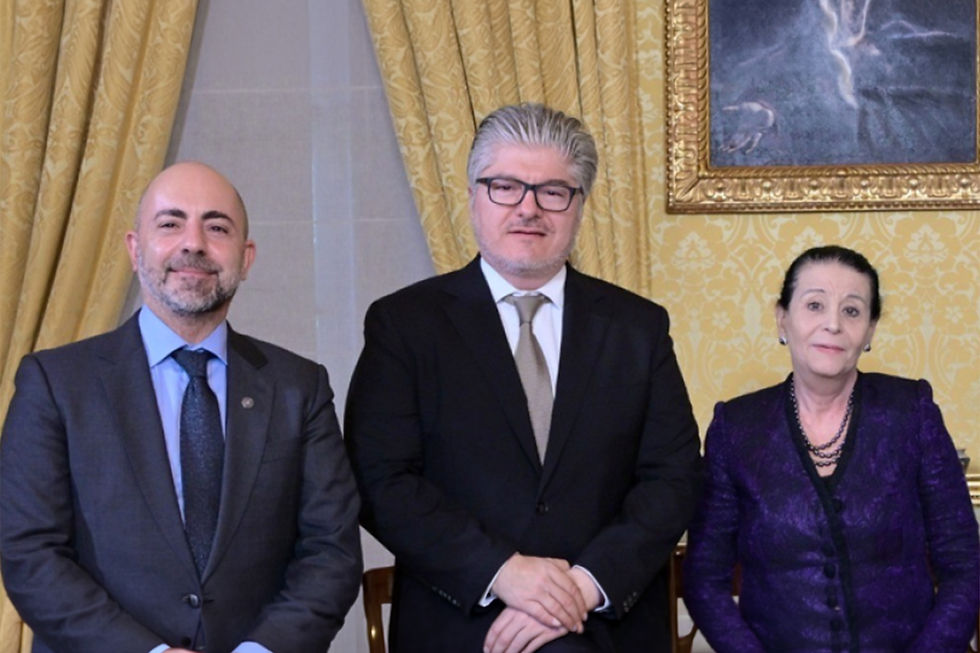
Following the event, Salazar met with Myriam Spiteri Debono to discuss global and regional developments affecting aviation, with particular focus on Europe, one of the regions most affected by recent airspace security concerns.
ICAO’s latest warning underlines a growing reality for global aviation: as geopolitical tensions rise and weapons systems become more advanced, protecting civilian aircraft requires faster coordination, stronger intelligence sharing, and sustained international cooperation. For airlines and passengers alike, safe skies can no longer be taken for granted.





Comments