


An Open Letter to the General Aviation Community
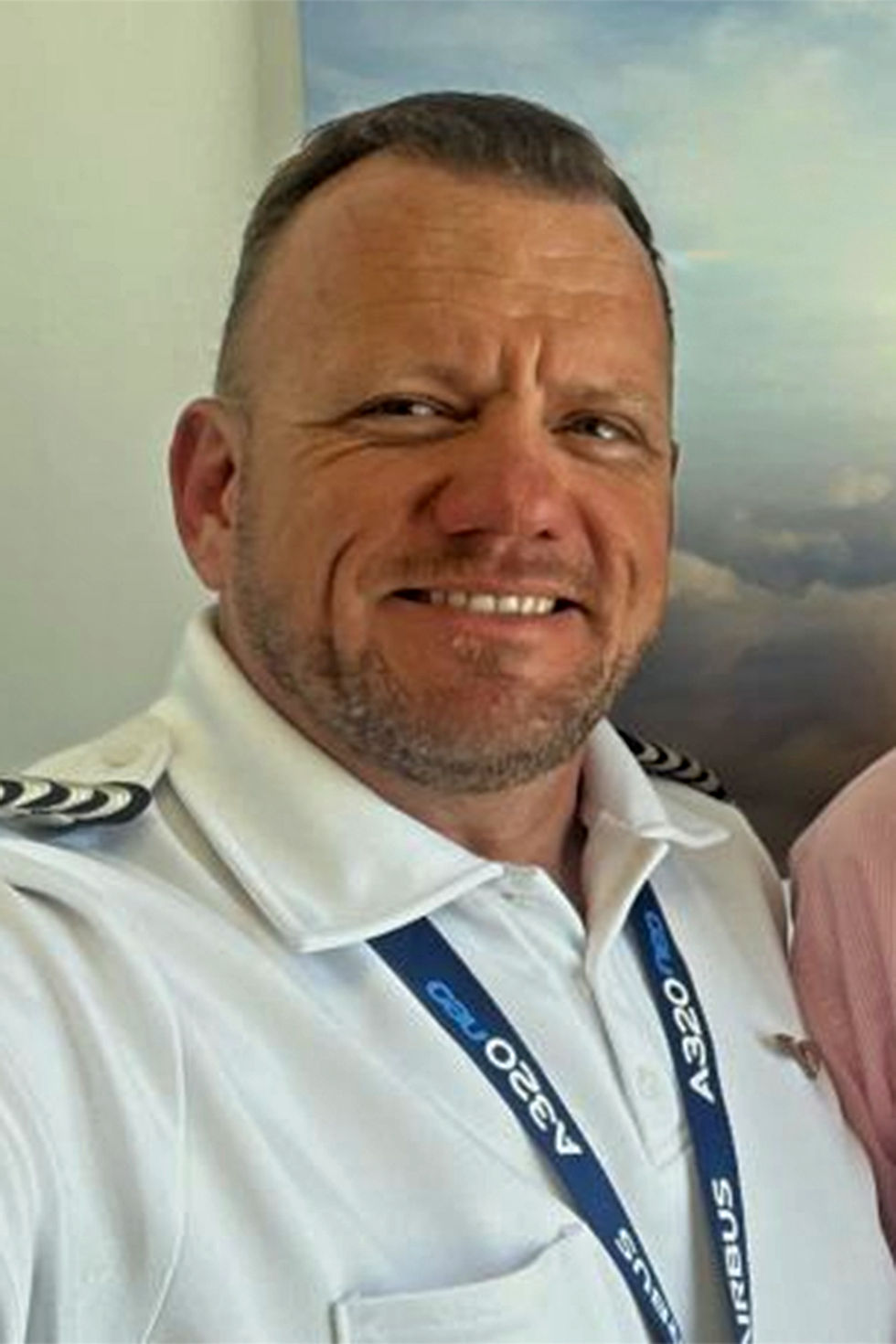
By Des Warden
To my fellow aircraft owners, pilots and AMOs.
The ongoing debate surrounding the so-called “12-year engine rule” did not arise suddenly, nor is it the result of a single regulatory decision. It is the outcome of more than two decades of incremental drift; a slow convergence of manufacturer guidance, regulatory interpretation, and, most critically, sustained inaction by General Aviation itself.

The origin of the issue is well known. The engine manufacturers Lycoming and Continental published calendar-time overhaul recommendations intended primarily as guidance on corrosion management. These recommendations were never intended to serve as absolute operating limits or automatic grounding thresholds. Internationally, many aviation systems recognise this distinction and allow continued operation through condition-based maintenance frameworks.
In South Africa, however, these recommendations gradually hardened into enforceable expectations. For a period, this disconnect was partially managed through relief mechanisms such as AIC 18.19; an imperfect but pragmatic acknowledgement that General Aviation operates under fundamentally different utilisation, risk, and economic realities from commercial fleets. When that relief was withdrawn, the underlying vulnerability was exposed, not created, merely revealed.
In the aftermath, frustration has largely been directed at the Civil Aviation Authority. Yet this reflects a fundamental misunderstanding of institutional roles. The CAA’s stated mission is “to regulate civil aviation safety and security in support of the sustainable development of the aviation industry.”
They are regulators. They are not custodians, stewards, or advocates of General Aviation. Their function is to administer and enforce the law as promulgated, not to create policy, lobby on behalf of sectional interests, or selectively disregard regulations once they are in place.
A necessary clarification is therefore required.
The Civil Aviation Regulations are not written by the CAA alone. Regulatory amendments are developed through the Civil Aviation Regulations Committee (CARCOM): a multistakeholder rule-making forum established to draft, review, and recommend changes before submission to the Minister of Transport for approval.
Within this process, the CAA acts primarily as the convenor and secretariat. They provide technical input, regulatory interpretation, and administrative support, but they are not the sole authors of aviation law. CARCOM is precisely where industry influence is meant to occur.
If General Aviation is absent, fragmented or poorly represented during CARCOM deliberations, regulatory outcomes will inevitably reflect the perspectives of those who are present. Once regulations are promulgated, the CAA is legally obliged to enforce them, irrespective of whether the result is practical, proportionate, or economically sustainable for GA operations.
This distinction is critical:
The problem is rarely enforcement; it is almost always inaction or absence during formulation.
This reality becomes even more uncomfortable when viewed against the stated missions of our representative bodies.
One association that is supposed to be representing General Aviation’s interests states that it exists “to oversee and shape legislation in collaboration with authorities, addressing airspace usage, legal prerequisites, aircraft registration, medical regulations and more.” While another states that it is “dedicated to promoting and supporting general aviation… serving as a voice for South African general aviation pilots through advocacy, resources, and education.”
These mandates are clear. Legislative engagement is not peripheral; it is central.
And yet, when critical amendments should have progressed through CARCOM, when wording evolved that elevated manufacturer recommendations into enforceable requirements, the General Aviation voice was too often faint, inconsistent, fraught with egotistical infighting or entirely absent.
Instead, a culture has emerged in which we react after the fact. We debate loudly once regulations are published. We mobilise emotionally when exemptions expire. We express outrage when enforcement begins. And, we blur the lines between Commercial and General Aviation.
But during the years when wording should have been drafted, revised, circulated, and finalised, the rooms were often empty.
This has allowed a deeper problem to take root in GA circles: Apathy.
We argue passionately in hangars, online forums, and WhatsApp groups, yet rarely through formal submissions, structured motivation documents, or sustained committee participation. We expect others to fight legislative battles on our behalf, and then criticise them when outcomes fall short.
Regulation does not change through outrage.
It changes through presence, preparation, and persistence.
The 12-year engine issue is therefore not the problem. On the contrary, it is merely the symptom.
The real issue is that General Aviation has, over many years, effectively relinquished its seat at the legislative table and now finds itself governed by decisions made in its absence. If we want rational, proportionate and risk-based regulation, we must demonstrate leadership by engaging where it truly matters: not after promulgation, not during crisis, but during formulation.
CARCOM is not inaccessible. The process is not secret. But it does not respond to emotion, only to informed, continuous participation. No regulator will safeguard General Aviation’s future on our behalf. No exemption will substitute for sound legislation. And no organisation, however well-intentioned, can represent a community that does not actively support and participate in the process.
If we want different outcomes, we must accept an uncomfortable truth:
No one is coming to save General Aviation.
Only organised, informed, and sustained engagement will.
So what now? How do we prevent this from happening again?
General Aviation associations and clubs must be supported, but more importantly, they must be held accountable for sustained, visible legislative engagement. Every General Aviation aircraft owner and pilot should belong to a recognised club or association. We must insist on capable leadership that actively and effectively represents us at a legislative level.
As a community, we need to volunteer our expertise as Subject Matter Experts where required and ensure these organisations are adequately resourced to advocate effectively. We must also accept that General Aviation advocacy cannot be outsourced or absorbed into the agendas of commercial associations.
Regulatory outcomes are shaped by participants, not by reactors.
Yours, Respectfully,
Des Warden
Disclaimer:
The views and opinions expressed in this letter are entirely my own and do not represent those of any organisation, association, employer, or regulatory body.





Comments