


Airlines Rush to Comply with Airbus Global A320 Software Upgrade Directive
By Garth Calitz

Airbus' A320 series, a key player in short- to medium-haul flights globally, gained significant attention in late November when the manufacturer, along with international regulators, released an urgent Airworthiness Directive (AD) mandating a compulsory software update. This directive was prompted by an incident in which an A320 experienced an uncommanded altitude change due to a rare flight-control data corruption event. Although there were no injuries, a thorough engineering analysis found that strong solar radiation could disrupt the ELAC (Elevator Aileron Computer) units that manage essential control surfaces.

The European Union Aviation Safety Agency (EASA), followed by other regulators such as the FAA, quickly acted to mandate the update for nearly 6000 A320-family aircraft worldwide. Airlines were required to install the updated software, or, in certain instances, revert to a previous, more stable version by specific deadlines to maintain airworthiness.
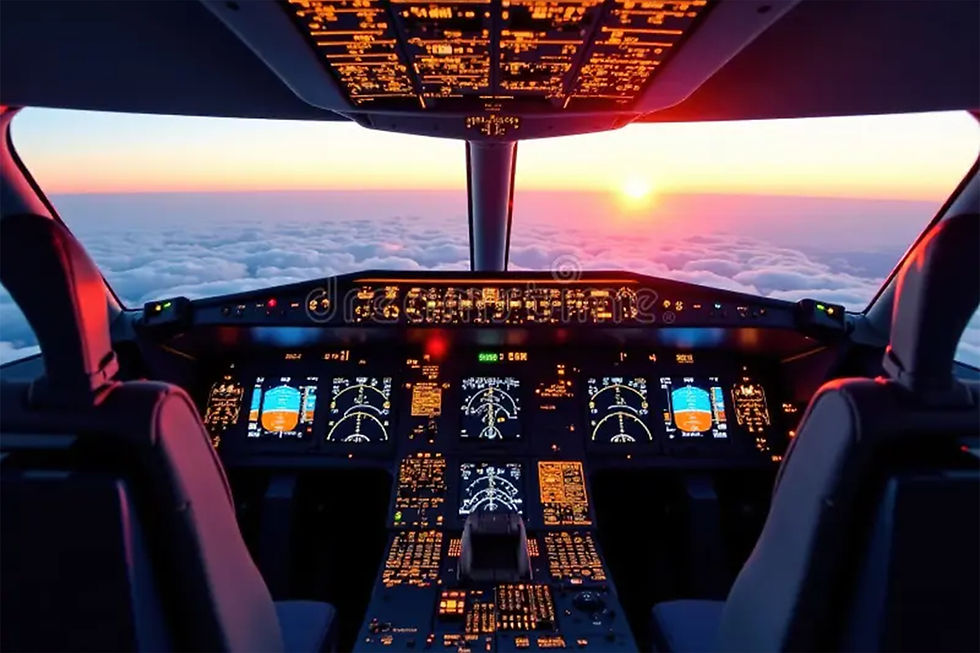
The fix focuses on safeguarding flight-control data integrity. The required procedure involves reprogramming each aircraft’s ELAC computers and, in some cases, supplementing them with additional hardware protection. Most installations take approximately four hours per aircraft, creating a logistical challenge for airlines operating high-frequency schedules.

Globally, the directive led to numerous flight delays and temporary groundings. Airlines in the Philippines, India and Australia experienced major disruptions in their schedules as many A320 and A321 aircraft were taken out of service. Despite this, the aviation industry reacted with its usual urgency and cooperation, working tirelessly to ensure fleets met compliance standards.

By early December, Airbus announced that most of the fleet had already received the upgrade, greatly minimising the risk of operational disruptions as the holiday travel season approached.


In South Africa, the national airline, South African Airways (SAA), confirmed that it had received the urgent Airworthiness Directive from Airbus and acted promptly to comply with it. The directive mandates that all affected operators complete the necessary software installation by Saturday, 29 November 2025. SAA emphasised that safety remains its highest priority, and as such, implementation began at once.

“SAA Technical (SAAT) mobilised resources early this morning to initiate the required software installation,” the airline said in a statement. “Despite the narrow compliance window, our teams are working efficiently to complete the four-hour installation procedure on the two affected aircraft within our fleet of 14 A320s.”


Group Chief Executive Officer Professor John Lamola reaffirmed the airline’s stance on stringent safety standards, “Should any aircraft fail to meet compliance by the deadline, it will be immediately grounded. We appreciate the understanding of our customers and assure them that we remain committed to maintaining the highest standards of safety and operational integrity throughout this process.”


LIFT Airline, another South African carrier operating Airbus A320s, has completed the necessary software update for its A320 fleet. Notably, the airline has confirmed that the update was implemented without affecting its flight schedule, highlighting the efficiency of its operational planning and execution. This smooth incorporation of the software update into routine maintenance operations reflects LIFT Airline's commitment to delivering a dependable travel experience for its passengers.

The worldwide implementation of the Airbus A320 software update has showcased the industry's capacity to swiftly respond to new risks. The collaborative efforts of engineering teams, regulators, airline maintenance crews and flight-operations planners reflect a well-developed and ever-evolving safety culture. Although the root cause, solar radiation impacting computer data, may appear uncommon or abstract, the effects highlight a fundamental reality of modern aviation: software is as crucial as hardware and resilience must consider both environmental and technological factors.

With the majority of the fleet now upgraded and major airlines experiencing minimal disruption, the industry seems to have handled a potentially destabilising situation with impressive efficiency. As aviation systems continue to become more digital, the insights gained from this incident will likely influence future standards for strengthening avionics, validating software and modelling environmental risks.
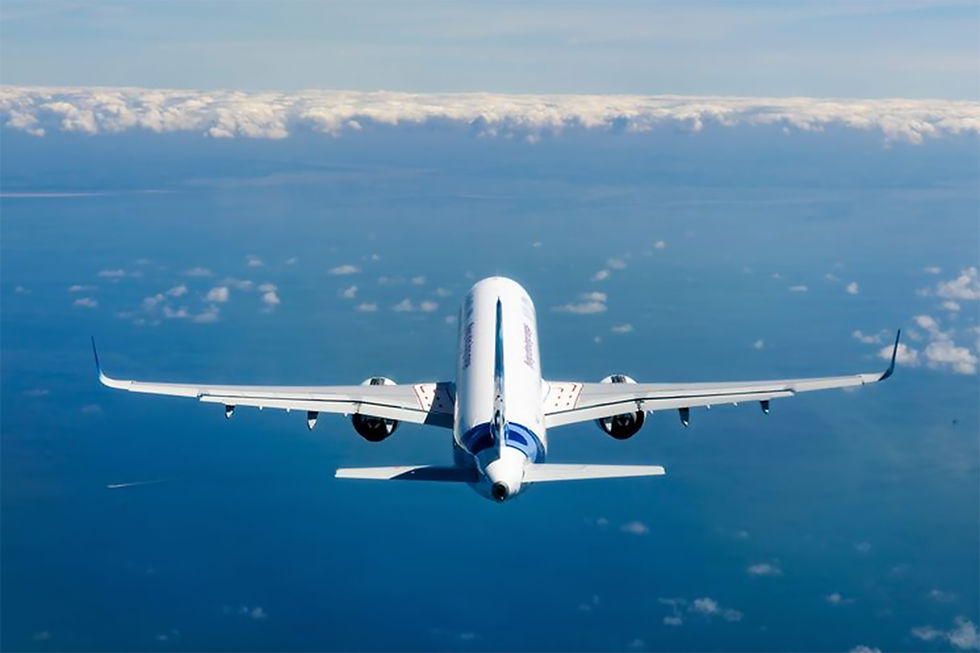
For passengers, the message is still reassuring: attentiveness, swift response, and prioritising safety continue to characterise commercial aviation, even when challenges arise from 150 million kilometres away.





Bedankt voor deze informatieve bijdrage. De impact van digitale platforms op moderne communicatie wordt hier duidelijk beschreven. Meer context en uitleg zijn beschikbaar op de website. Deze inzichten helpen om digitale trends beter te begrijpen.
Travelers often share stories about different airlines when discussing vacation plans or business trips. Some prefer carriers that offer flexible ticket policies and friendly onboard service. When a flight schedule changes or a booking needs to be modified, passengers may start looking for the southwest airlines customer service phone number so they can contact an agent and quickly resolve their travel issue.