




Russian Aerospace Forces Strengthen Capabilities with New Su-35S Multirole Fighters

Russia’s United Aircraft Corporation (UAC), part of the Rostec state conglomerate, has delivered another batch of new-build Su-35S multirole fighters to the Russian Aerospace Forces (VKS), reinforcing one of the service’s key frontline combat aircraft fleets. The delivery was announced on 17 April and marks the latest in a continuing series of transfers intended to sustain operational readiness and modernise Russia’s tactical aviation inventory.
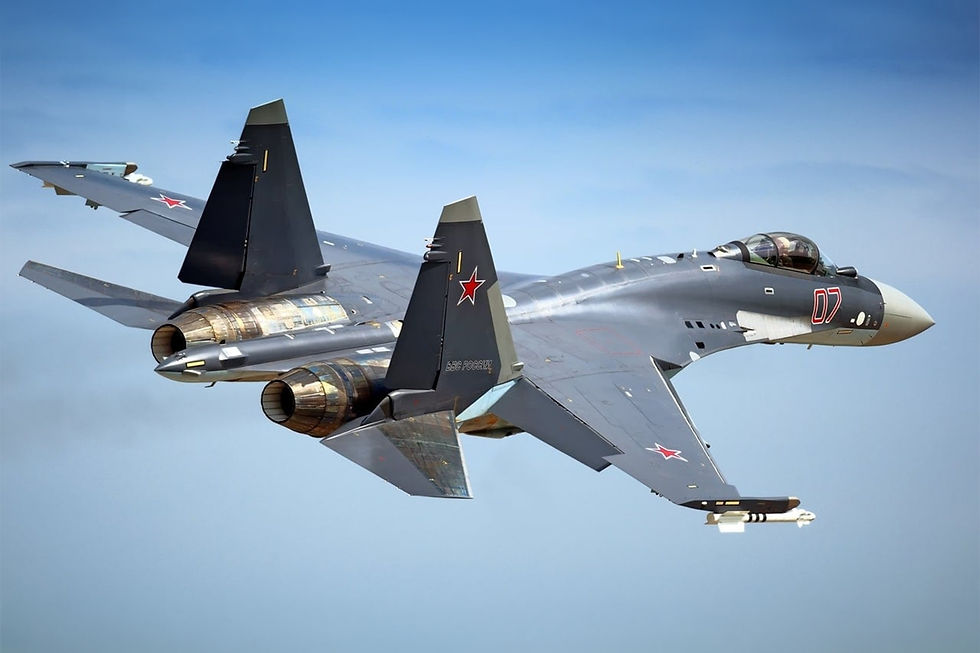
According to official statements, the newly completed aircraft passed a full cycle of factory inspections and flight testing before being accepted by the defence ministry pilots for further evaluations in multiple operating modes. After successful completion of these checks, the fighters were ferried to their assigned home airfield for entry into operational service. As with previous Russian military aircraft deliveries, the exact number of aircraft handed over was not disclosed.

The Su-35S remains one of Russia’s most capable non-stealth fighter platforms and occupies an important role within the VKS. Classified by Russia as a “4++ generation” aircraft, the type represents a major evolution of the Su-27 Flanker family, combining upgraded avionics, more powerful engines, improved manoeuvrability and expanded multirole capability. The aircraft is intended to perform both air superiority missions and long-range strike operations against ground targets.

Operationally, the Su-35S has been described by Russian sources as a flexible platform capable of conducting long-range interceptions, escorting strike packages, defending ground facilities, countering unmanned aerial systems, and delivering precision-guided attacks against surface targets. The aircraft is also said to be used for reconnaissance tasks and locating enemy positions deep behind the front line, highlighting its broad mission set.

Technically, the Su-35S is powered by two Saturn AL-41F1S afterburning turbofan engines with thrust-vectoring nozzles, a feature that contributes to the aircraft’s well-known agility. It can reach speeds of around Mach 2.25 and has a long operational range, making it suitable for large-area patrol, escort and rapid-response missions. The fighter also carries a substantial weapons load on multiple hardpoints, allowing it to employ a mix of air-to-air missiles, anti-radiation weapons and precision-guided munitions depending on mission requirements.
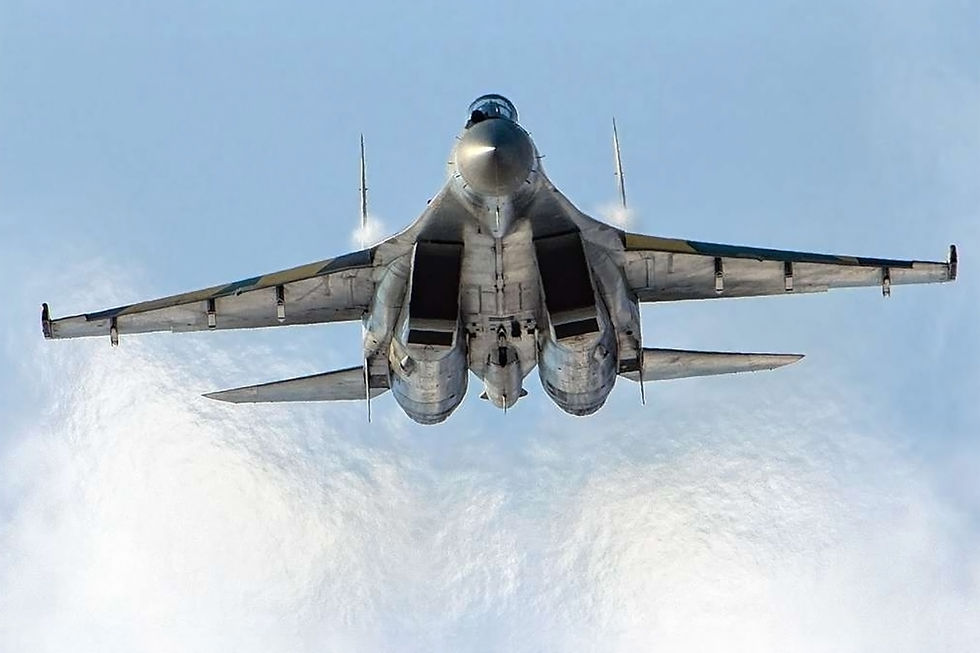
The continued production of the Su-35S is notable given the pressures on Russia’s defence-industrial sector since the start of the war in Ukraine. Western sanctions and wartime demand have increased scrutiny on Russia’s ability to maintain the output of advanced combat aircraft. Each new batch of fighters, therefore, serves not only as a military reinforcement measure but also as an indication that domestic aerospace production lines remain active.
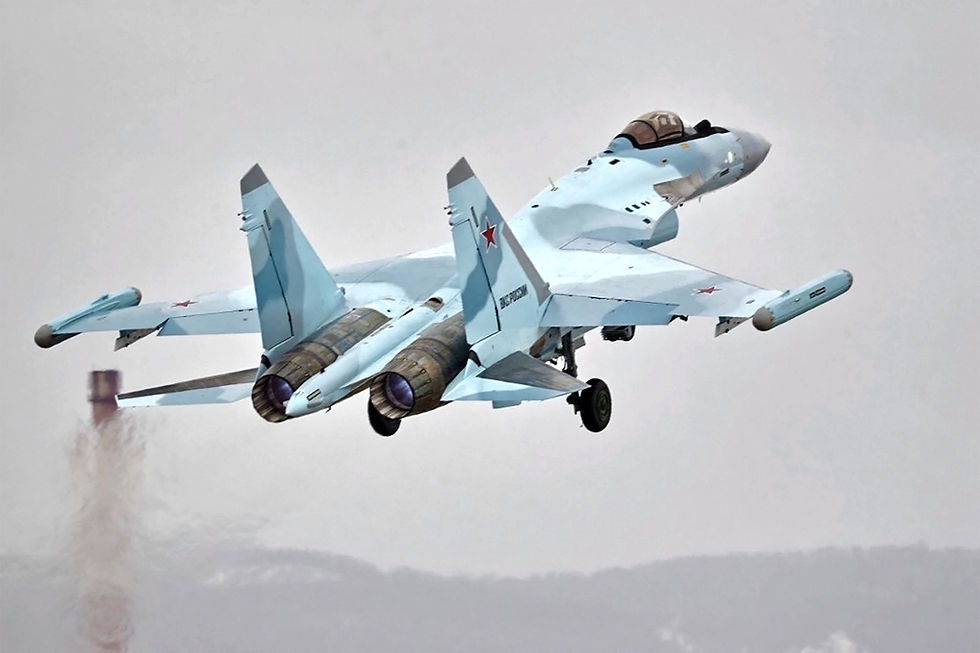
Industry officials accompanying the announcement stressed that fulfilment of state defence contracts remains a top priority. UAC executives also linked current output levels to ongoing optimisation of manufacturing processes, suggesting efforts are underway to improve production efficiency and maintain delivery schedules.

For the Russian Aerospace Forces, the Su-35S continues to bridge the gap between legacy fourth-generation fighters and newer fifth-generation platforms such as the Su-57. While stealth aircraft are entering service in limited numbers, the Su-35S offers a mature, heavily armed and relatively high-volume solution for immediate operational needs. Its combination of range, speed, sensor performance and payload ensures it remains a central component of Russia’s tactical airpower structure.

Although the number of aircraft in this latest batch remains unknown, the delivery underscores Moscow’s continued focus on sustaining combat aviation strength through incremental but regular fleet replenishment. In the current strategic environment, even modest deliveries can have meaningful effects on readiness, force rotation and long-term capability retention.





Thanks for this informative introduction to rye whiskey. The flavor descriptions and comparisons with bourbon make it easy to understand the differences and explore new options. I also enjoy discovering interesting lifestyle content through my website, Lotería de Hoy. Great article!
Compared to other similar games, escape road 3 feels more polished and enjoyable, especially with its simple yet addictive mechanics.