


Revolutionizing RAAF Training with Advanced C-130J Devices from Lockheed Martin

The Royal Australian Air Force is set to significantly expand its C-130J Super Hercules training capacity through a new Foreign Military Sales (FMS) programme that will see Lockheed Martin deliver a suite of advanced training devices and simulator upgrades. Awarded through Wright-Patterson Air Force Base in the United States, the programme will introduce next-generation training systems aligned with the latest operational configuration of the C-130J, with deliveries scheduled to begin from 2029.
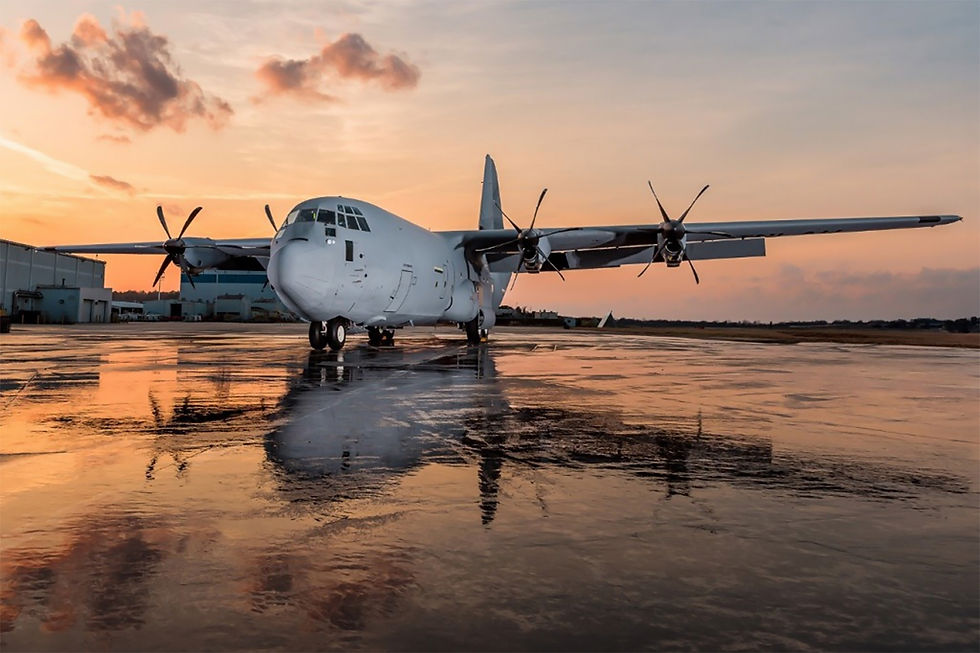
The package includes two full Weapon Systems Trainers, an Enhanced Integrated Cockpit Systems Trainer (EICS), a Loadmaster Part-Task Trainer, and comprehensive upgrades to the RAAF’s existing Virtual Simulation and Virtual Maintenance Trainers. Together, these devices will form an integrated training ecosystem, supporting pilots, loadmasters and maintenance crews across the full spectrum of C-130J operations, from routine tactical airlift to complex multi-crew mission profiles.


As the original equipment manufacturer (OEM) of the C-130J, Lockheed Martin brings a depth of technical knowledge that few training providers can match. The company is the leading global supplier of C-130J training systems, with experience in developing turnkey training facilities and high-fidelity simulators for operators around the world. That OEM insight means the training devices will remain fully concurrent with the aircraft’s operational flight programme, ensuring that changes to avionics, software and mission systems are reflected in the simulators with minimal delay. In an era where aircraft capabilities evolve rapidly, keeping the training system “in step” with the real acraft is no small advantage.


According to Todd Morar, vice president of Air and Commercial Systems at Lockheed Martin, the company’s goal is to deliver training that prepares aircrew to be operationally effective from their first day on type. The new devices will feature cutting-edge visual systems, refined motion cueing and high-fidelity cockpit replication, allowing crews to practise normal operations, emergencies and mission scenarios in a realistic, repeatable and safe environment. For a platform that routinely operates into austere airstrips, disaster zones and contested environments, simulator time is not just a cost-saving measure, it is a force multiplier.
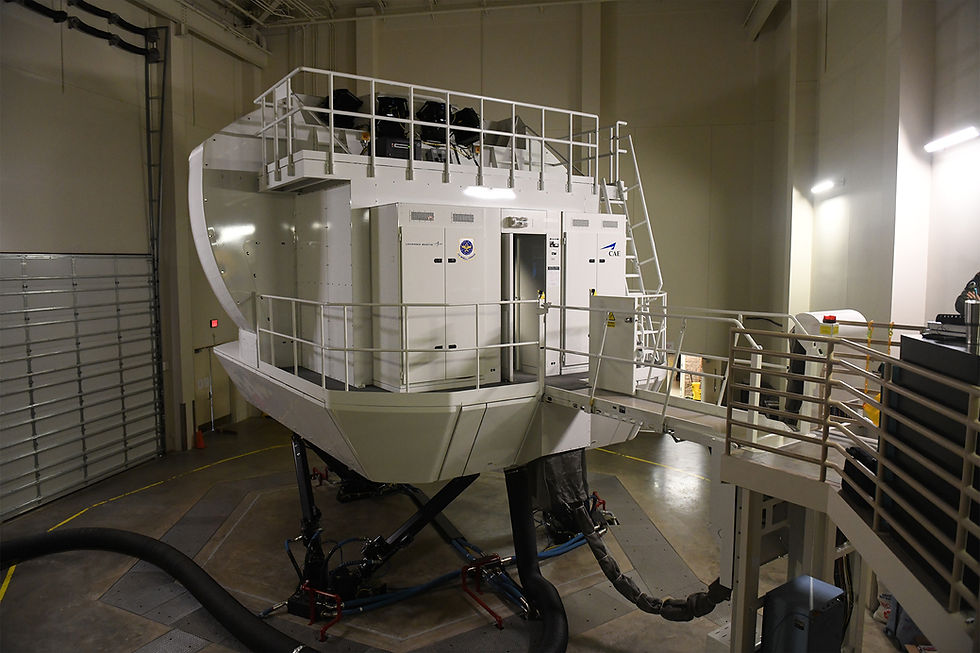
From an Australian perspective, the programme is closely aligned with the RAAF’s wider modernisation efforts. Peter Ashworth, Lockheed Martin Australia’s Director of Global Training Systems, highlighted the role of advanced simulation in reducing training risk, cost and timelines, while enhancing operational readiness. In practical terms, more capable simulators mean fewer hours required on live aircraft for basic training, freeing up the fleet for operational tasks and reducing wear and tear on airframes. For a busy tactical airlift force, that is a welcome efficiency.

The timing of the training upgrade is no coincidence. The RAAF has operated the Hercules in various forms since 1958 and currently fields 12 C-130J-30 Super Hercules aircraft with No. 37 Squadron at RAAF Base Richmond. Under a 2022 FMS approval, the United States cleared the sale of up to 24 additional C-130J-30s, and in July 2023 Australia exercised the option for 20 new aircraft. The first of these is expected to arrive in 2028, with deliveries set to transform Australia’s tactical airlift capacity and provide greater flexibility for humanitarian assistance, disaster relief, regional engagement and military operations.

Training infrastructure must keep pace with that growth. As the fleet expands, so too does the demand for qualified crews and maintainers. High-end simulators will allow the RAAF to scale training throughput without a proportional increase in flying hours, a sensible approach at a time when budgets are under pressure and operational tempos remain high.

Globally, the C-130J Super Hercules remains the workhorse of choice for tactical airlift. The type is operated by 28 users in 25 nations, with more than 560 aircraft delivered and certified by over 20 airworthiness authorities. The worldwide fleet has accumulated in excess of three million flight hours, a testament to the aircraft’s versatility and durability. For Australia, investing in equally robust training systems ensures that the human element of the capability, the crews and maintainers, is as modern and resilient as the aircraft themselves.

In short, while shiny new aeroplanes tend to grab the headlines, the simulators quietly being installed behind the scenes may prove just as critical to keeping the RAAF’s Super Hercules force mission-ready well into the next decade.





Comments