


New Power Bank Rules Tighten Safety Measures for International Air Travel
By Garth Calitz

International air travellers will soon face tighter restrictions on portable power banks after the International Civil Aviation Organisation (ICAO) approved new rules aimed at reducing the fire risks associated with lithium battery devices carried in aircraft cabins. Under the updated provisions, passengers will be limited to carrying no more than two power banks each and they will not be allowed to recharge those devices during a flight. The new standards came into effect on 27 March 2026 and are intended to create a clearer, more uniform global approach to the carriage and use of portable lithium battery packs on commercial aircraft.

The decision reflects growing concern within the aviation sector over the hazards posed by lithium battery-powered consumer electronics. Power banks have become a routine item in hand luggage as passengers increasingly travel with smartphones, tablets, cameras, laptops and wireless accessories. However, these same devices have also emerged as a recognised safety concern, particularly when batteries are damaged, defective, poorly manufactured or exposed to excessive heat. Lithium batteries are known to present a fire risk if they fail. In certain circumstances, a battery can enter what is known as thermal runaway, a rapid and self-sustaining chemical reaction that can generate intense heat, smoke and fire. In the confined environment of an aircraft cabin, even a relatively small battery incident can require immediate intervention from the crew and can quickly become a serious operational concern.

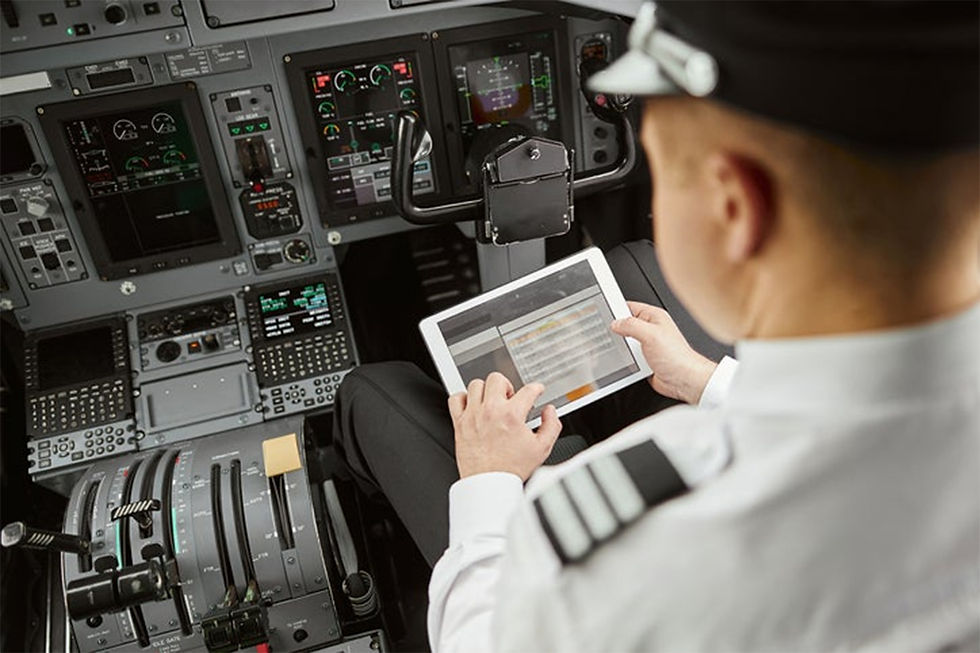
The revised ICAO rules are designed to reduce the likelihood of such incidents by limiting both the number of power banks carried by each passenger and the possibility of overheating caused by in-flight charging. While passengers will still be permitted to carry power banks in the cabin, the tighter controls signal a shift toward more cautious management of everyday lithium-powered devices onboard. Importantly, the new provisions do not apply in the same way to the operating crew. Flight and cabin crew will continue to be permitted to carry and use power banks where they are needed to support operational duties. This exemption reflects the growing use of portable electronic devices in modern airline operations, including tablets, electronic manuals, communication tools and backup equipment.
ICAO said the latest amendments were developed in response to emerging technical knowledge and were intended to strengthen safety without placing unnecessary burdens on normal passenger travel. The changes originated from the work of the organisation’s Dangerous Goods Panel, a specialist body tasked with monitoring and assessing risks linked to hazardous materials transported by air. The panel’s recommendations were then reviewed by ICAO’s Air Navigation Commission, which endorsed the proposed amendments with some revisions before they were formally approved by the ICAO Council, made up of representatives from 36 member states. The changes have now been incorporated into ICAO’s Technical Instructions for the Safe Transport of Dangerous Goods by Air (Doc 9284), which serves as the global benchmark for dangerous goods regulation in civil aviation.

For airlines, the changes are expected to provide a more standardised international framework. In recent years, several carriers and national regulators have introduced their own restrictions on the carriage and use of lithium batteries, sometimes resulting in inconsistent rules across different markets. A globally recognised ICAO standard should help reduce ambiguity for airlines, airport staff and passengers alike. Operationally, the impact on most travellers is likely to be manageable. Many passengers already carry only one or two power banks, meaning the new quantity limit will not dramatically alter common travel habits. The greater adjustment may come from the prohibition on recharging power banks during flight, particularly for long-haul travellers or those who rely heavily on multiple devices while in transit.

Airlines may now need to revise check-in guidance, in-flight announcements and cabin safety procedures to ensure passengers are aware of the updated requirements. Ground staff and security personnel may also play a larger role in communicating the rules, particularly during the early stages of implementation. For cabin crew, the changes reinforce a broader industry focus on lithium battery incident preparedness. Most airlines already train crew to identify signs of battery overheating and to respond using fire containment equipment, cooling methods and onboard emergency procedures. By reducing opportunities for battery misuse or overheating in the first place, regulators are seeking to prevent these incidents before they occur.
The new power bank restrictions form part of ICAO’s wider safety agenda, which aims to adapt global aviation standards to an industry increasingly shaped by digital technology and changing passenger behaviour. As more personal electronic devices enter the cabin environment, aviation authorities are being forced to balance convenience with risk management. In that context, ICAO’s latest decision is less about restricting passengers and more about maintaining confidence in the safety of international air travel. While the new rules may appear modest, they represent a practical response to a growing issue and a reminder that in aviation, even small safety measures can have far-reaching importance.





Comments