


New ACSA Board Faces Tough Questions Amid Ambitious Expansion Plans

The appointment of a new board at Airports Company South Africa (ACSA) comes wrapped in optimism and ambitious promises, but the real challenge facing the state-owned airport operator may be far greater than the celebratory tone surrounding the announcement suggests.

ACSA has unveiled a refreshed leadership team as it embarks on a R21 billion airport upgrade and innovation programme intended to modernise infrastructure, improve passenger experience, and strengthen operational resilience. Yet beneath the ambitious language lies growing industry concern about whether South Africa’s airport operator can realistically deliver such an extensive transformation while grappling with operational bottlenecks, infrastructure deterioration, airline frustration and broader economic pressures.

The appointment of aviation veteran Mr Irvin Phenyane as chairperson appears aimed at reassuring stakeholders that experienced leadership is returning to the organisation. Phenyane’s background in aviation strategy, airport development and emerging technologies certainly provides credibility. However, many question whether strategic vision alone can resolve the practical issues confronting ACSA’s airports daily.
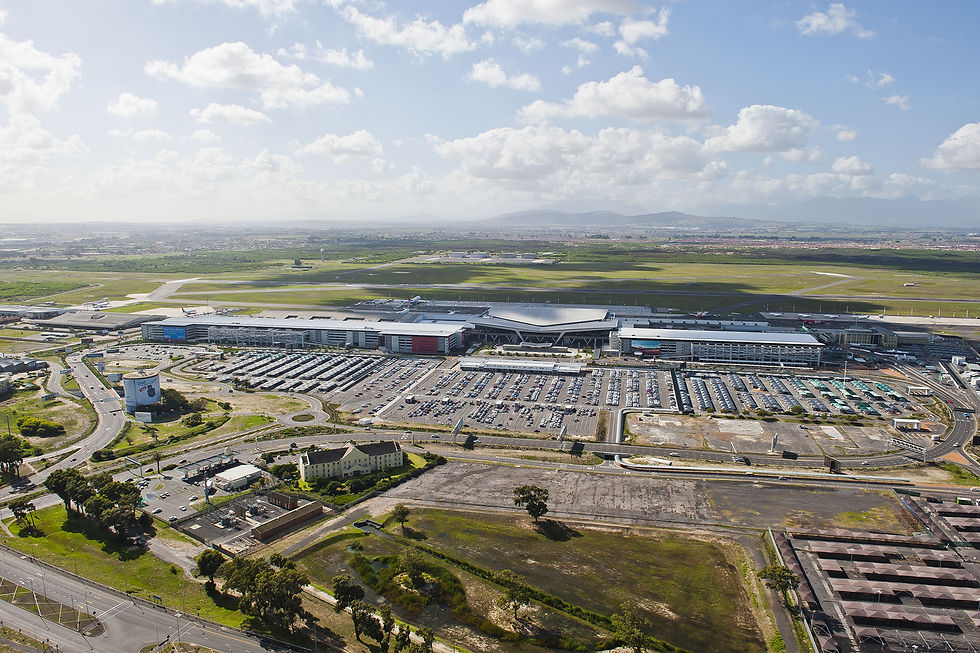
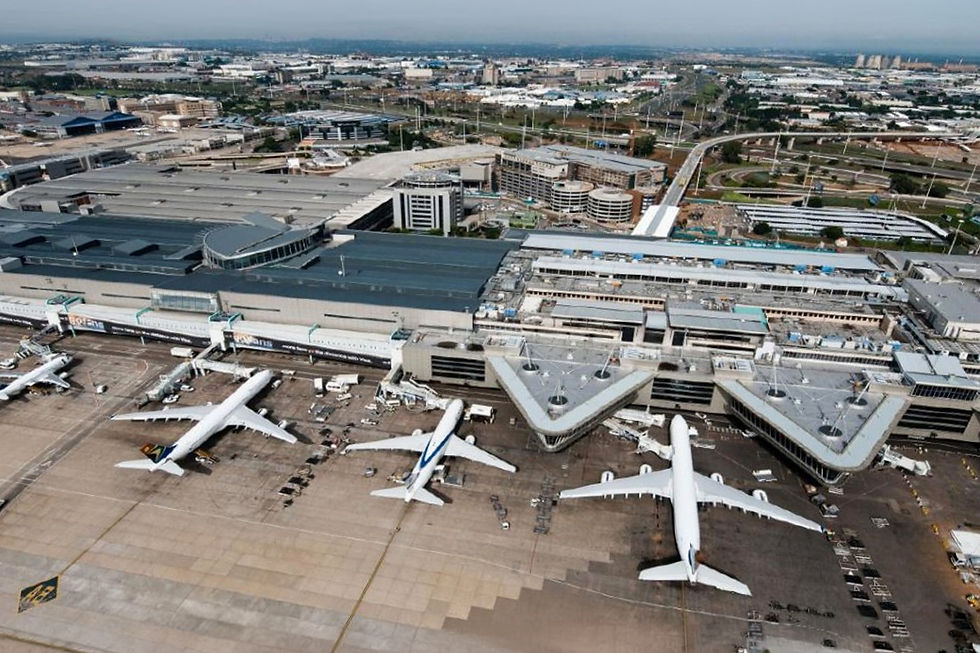
In recent years, South African airports have increasingly faced criticism over infrastructure maintenance, passenger processing delays, equipment failures and inconsistent service delivery. Airlines operating through major hubs such as O. R. Tambo International Airport and Cape Town International Airport have periodically raised concerns about operational inefficiencies, while travellers have experienced growing frustration with congestion and ageing facilities.

The composition of the new board itself may also invite debate. While the appointments bring together expertise from law, governance, ICT, construction and risk management, one may argue that several members come from broader corporate and public-sector backgrounds rather than direct airport operational management. In an industry where infrastructure reliability, safety compliance and operational efficiency are critical, stakeholders could question whether governance expertise alone will be enough to address aviation-specific challenges.


One of the more notable appointments is Mr Surendra Sooklal, whose background in risk management and cybersecurity could prove valuable as airports become increasingly digitised and vulnerable to operational disruptions. Yet even strong governance frameworks may struggle against the realities of constrained public finances, rising infrastructure costs and persistent pressure on state-owned entities across South Africa.

Similarly, the inclusion of ICT and innovation specialists reflects ACSA’s desire to position itself as a modern, technology-driven airport operator. However, industry analysts argue that South African aviation’s more immediate problems are less about futuristic innovation and more about restoring dependable core infrastructure and rebuilding airline confidence.

The scale of the planned R21 billion airport upgrade programme also raises questions about implementation capacity. Large infrastructure projects in South Africa have frequently encountered delays, cost overruns, procurement controversies and political interference. ACSA will need to convince both airlines and passengers that its expansion plans will avoid the pitfalls that have affected other major public-sector infrastructure initiatives.

There is also the broader issue of South Africa’s aviation competitiveness. Airports across the Middle East, East Africa and parts of Asia continue to modernise aggressively, offering highly efficient passenger experiences and advanced airport systems. For ACSA, the challenge is not simply maintaining infrastructure, but ensuring South African airports remain relevant and attractive within an increasingly competitive global aviation landscape.


The addition of aviation executive Mr Theunis Chamberlain may provide some reassurance in this regard. With nearly three decades of airport engineering and ICT experience across Africa and the Middle East, Chamberlain brings direct operational aviation expertise that could prove essential as ACSA attempts to modernise ageing airport systems. Still, the success of the board will ultimately be measured not by credentials but by visible improvements on the ground.

ACSA’s new board inherits an organisation at a crossroads. The operator has stabilised financially after the devastating impact of the pandemic years, but the harder task lies ahead: rebuilding confidence in South Africa’s airport infrastructure while delivering large-scale modernisation in a difficult economic and political environment. Whether this new leadership team can truly deliver the promised “next phase of strategic growth” remains an open question. For passengers, airlines and the wider aviation sector, optimism alone will not be enough.





In Build Now GG, I had a match where one tiny mistake nearly cost me everything. Recovering from it felt like a clutch moment.