




Heart Aerospace Reinvents the Regional Airliner with the ES-36
By Garth Calitz

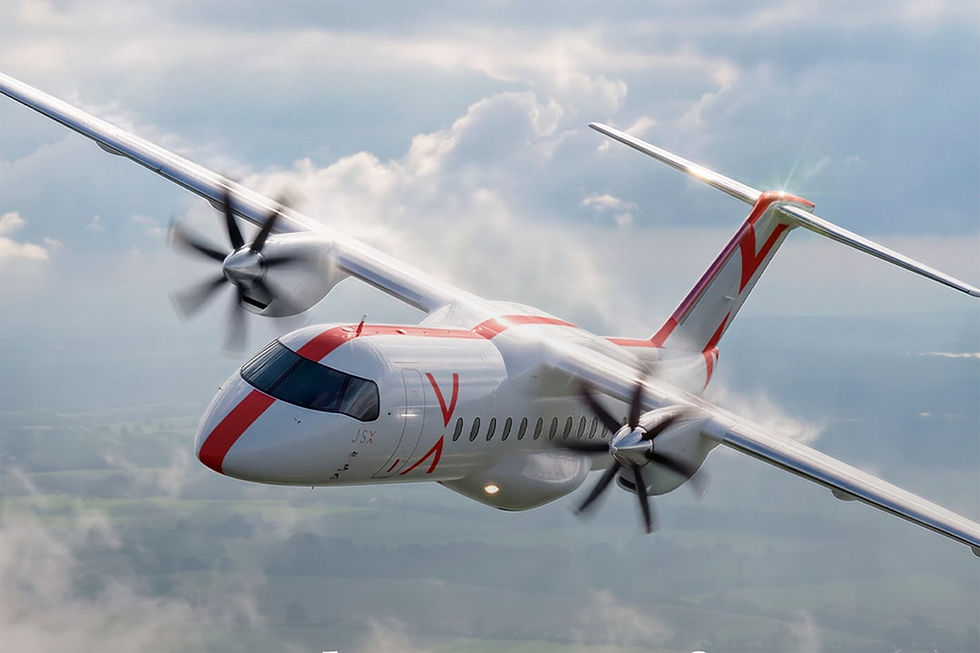
Swedish company unveils 36-seat hybrid-electric regional aircraft as JSX commits to up to 100 aircraft. The regional airliner may be about to get an electrical makeover. Swedish aerospace company Heart Aerospace has unveiled its new ES-36, a 36-seat hybrid-electric regional aircraft that represents a substantial redesign of the company's earlier ES-30 concept. At the same time, US regional carrier JSX has signed a deposit-backed agreement for 50 aircraft, with purchase rights for another 50.
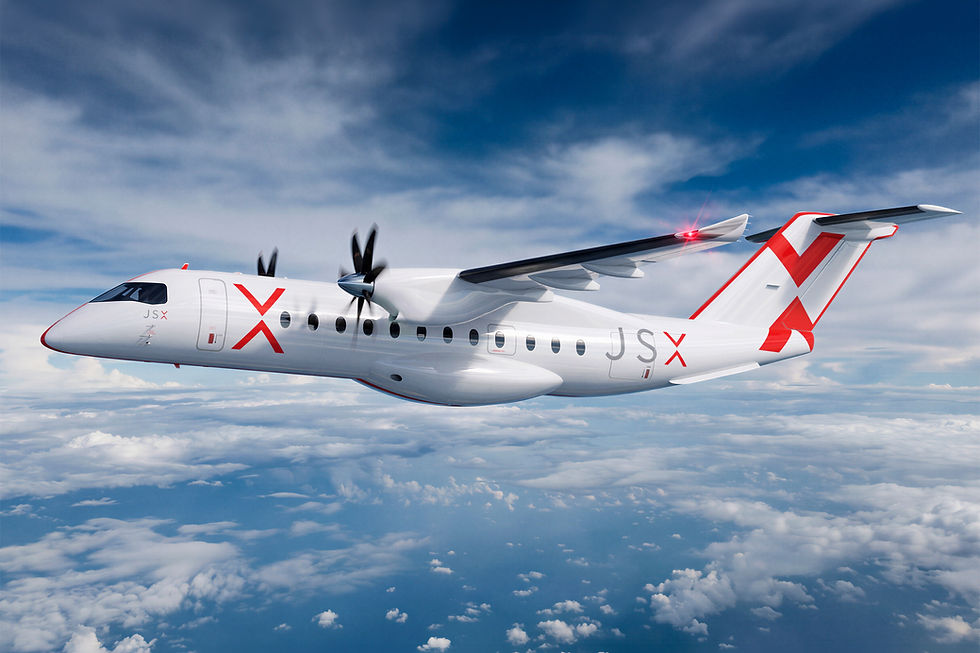
In an industry where letters of intent sometimes have the lifespan of an airline timetable, the fact that JSX is putting money behind the ES-36 makes the announcement considerably more interesting.
The ES-36 is not simply an ES-30 with six extra seats squeezed into the cabin. Heart has redesigned several fundamental aspects of the aircraft, increasing passenger capacity by 20% while retaining the same maximum take-off weight and battery capacity. Payload increases by approximately 1,415 lb (640 kg), while the wingspan has been reduced to about 95 feet.
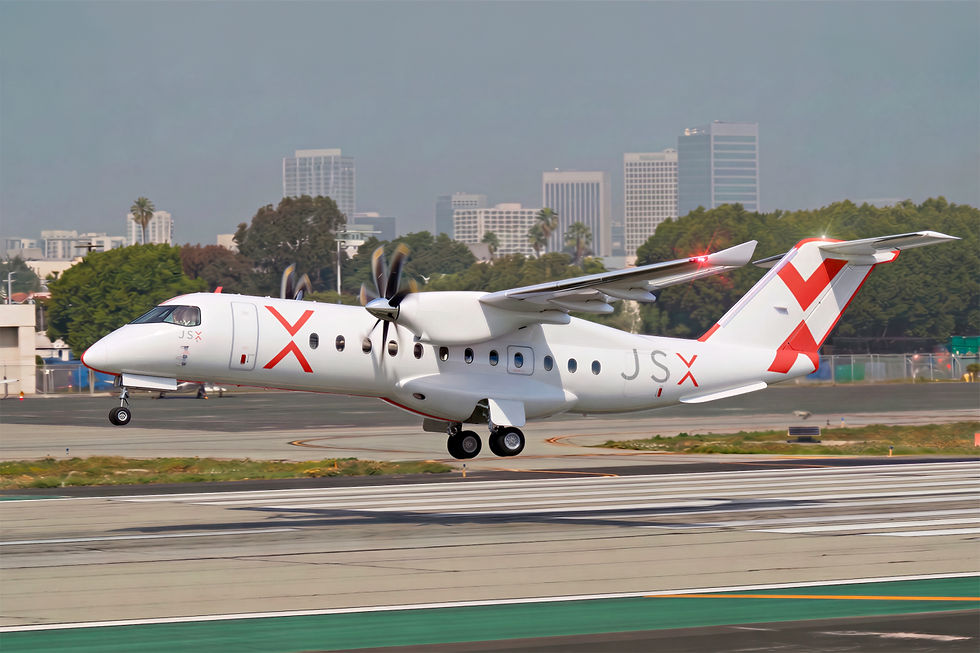
Perhaps the biggest change is under the wings. The ES-30 concept used four propulsion units, while the ES-36 uses two 1.65 MW electric motors, each driving a propeller. The change is intended to reduce drag and complexity while improving the aircraft's overall efficiency.
Heart has also taken a pragmatic approach to the limitations of current battery technology. The ES-36 is not intended to be a purely battery-electric airliner. Instead, it uses a series-hybrid propulsion system, with batteries providing electrical power for shorter sectors while two turbine-powered generators supply additional electricity for longer flights.
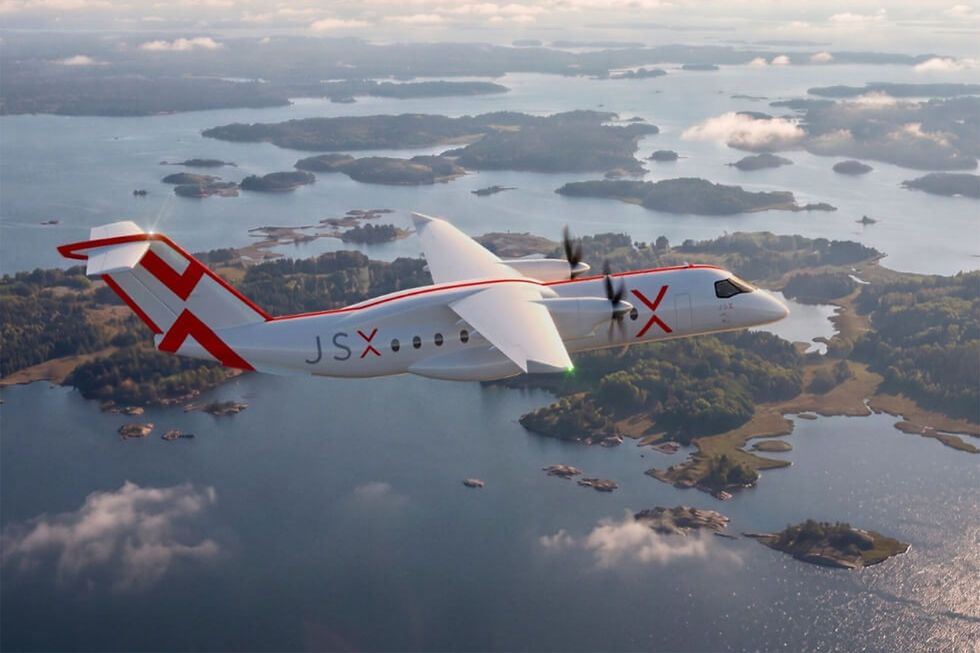
Heart estimates that the ES-36 will be capable of approximately 125 miles (200 km), plus reserves, using battery power alone. For longer missions, the hybrid system extends the aircraft's range to approximately 745 miles (1,200 km), plus reserves.
That approach recognises one of aviation's inconvenient truths: batteries are still very good at storing electricity and remarkably good at adding weight to aircraft. Rather than attempting to carry enough battery capacity for every possible mission, Heart is using turbines when additional range is required. The company is targeting operating costs at least 40% lower than legacy regional aircraft, although that remains a target that will ultimately have to be demonstrated in airline service.

The JSX agreement is an important milestone for Heart. The US carrier has committed to 50 aircraft, with options for another 50, replacing its previous interest in the ES-30 with the larger ES-36. JSX's operating model makes it a logical customer. The airline specialises in connecting smaller communities using private terminals and smaller airports, avoiding many of the traditional complications of major airline hubs.
That is precisely the market Heart is targeting. A 36-seat aircraft that can operate economically over relatively short regional sectors could potentially make routes viable that are difficult to serve profitably with larger regional jets. The attraction is obvious. More direct services between smaller communities mean fewer journeys through major hubs — and fewer opportunities to spend an afternoon wondering why your connecting flight is departing from a gate approximately 14 kilometres from where you just arrived.
Heart's progress with the ES-36 follows the first flight of its X1 electric demonstrator, which is being used to test the technologies required for larger electric aircraft. The X1 provides real-world data on electric propulsion, batteries, aerodynamics and systems integration. Heart says the experience gained through the programme has directly influenced the ES-36 redesign.
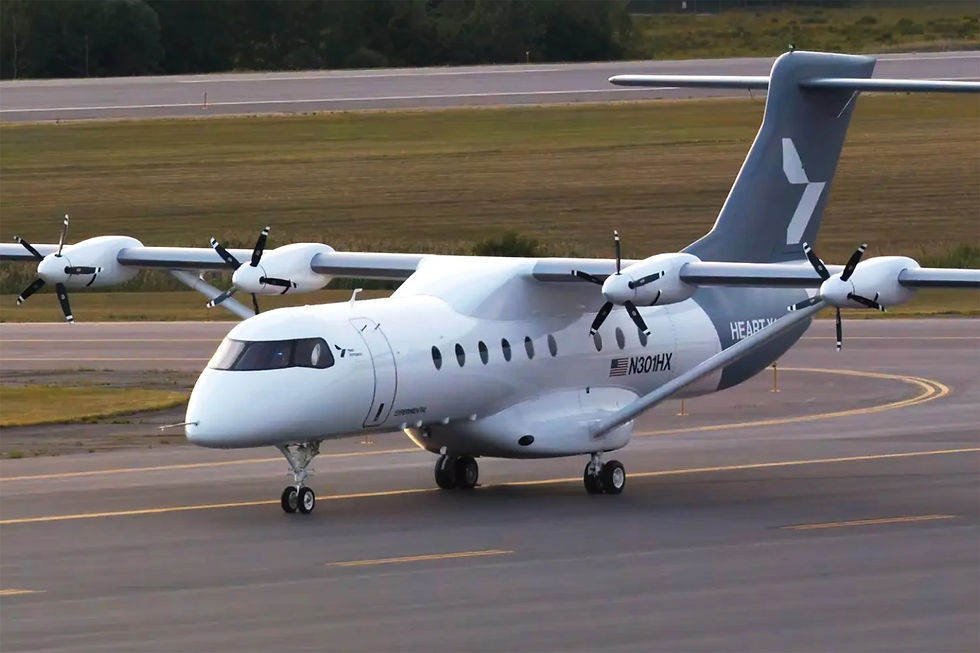
That is significant because the electric aviation industry has produced no shortage of impressive computer-generated aircraft. The harder part is making those aircraft fly reliably, repeatedly and commercially.
Heart is targeting the first flight of a pre-production ES-36 in the second half of 2028, with entry into service planned for 2031, subject to certification. The company is already building its first pre-production aircraft at its pilot manufacturing facility in Los Angeles.
The certification process will be demanding. The aircraft combines high-voltage electrical systems, large batteries, electric motors, turbine generators and conventional transport-category aviation requirements. Everything will have to demonstrate the reliability, redundancy and safety expected of a commercial passenger aircraft.
The ES-36 is particularly interesting from an African perspective. The continent has numerous regional routes where demand is too low for larger aircraft but potentially suitable for a 30- to 40-seat aircraft with lower operating costs.
South Africa has an extensive network of secondary airports and regional communities, making the concept worth watching. However, infrastructure, electricity availability, charging capability, maintenance and route distances would all have to be considered. The aircraft's relatively modest battery-only range also means that the hybrid system would remain essential for many practical operations. It is therefore far too early to start painting an ES-36 in South African airline colours, but the aircraft represents an interesting potential bridge between today's turboprops and the fully electric aircraft that remain some distance away.
Heart Aerospace has moved the ES-36 beyond the PowerPoint stage. There is a flying technology demonstrator, a redesigned production aircraft and now a customer prepared to put money behind the programme. But aviation has a wonderfully effective way of testing new technology: it makes aircraft fly every day.
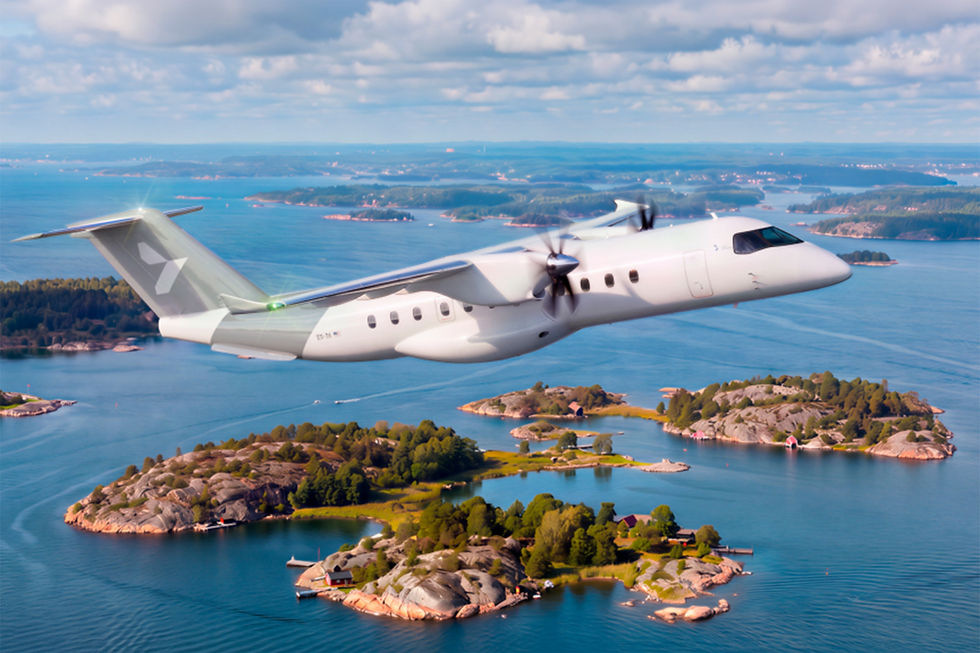
The ES-36 will eventually have to carry passengers, luggage and crew through real airline operations while delivering the reliability and economics promised on paper. If Heart can achieve that, the aircraft could establish a new category in regional aviation.
For now, however, the ES-36 remains a fascinating proposition rather than a proven solution. The next five years will determine whether Heart Aerospace has genuinely found a practical middle ground between conventional regional aircraft and an all-electric future — or simply built another very impressive aircraft that looks better in a presentation than it does on an airline balance sheet.





Comments