


The SAAF - Where to Now - The Future?
By Rob Russell

The recent budget speech, by the Minister of Defence, Ms Motshekga, in which barely anything about the SAAF was mentioned, apart from them being “hard at work repairing” wrongs, has thrust the future of the SAAF into the fore again.
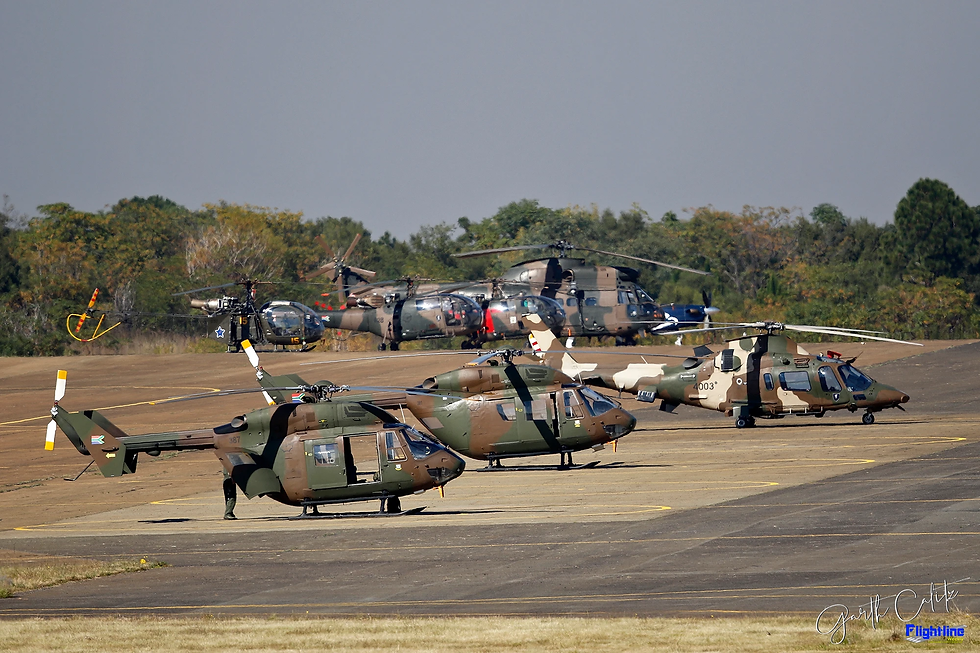
The SANDF has gone one way since the ANC took over ruling the country. From a once great and proud Defence Force, feared by many countries around the African continent, to the laughing stock of the continent. Equipment stands around broken beyond economic repair, wasting money on projects that are not needed, too many Generals that are overweight, not qualified for the positions they hold, the SANDF has declined to a state of (un)readiness never seen before.

Despite the “assurances” of these Generals that the Defence Force is ready to handle any attack on the country, let's not beat around the bush. There is absolutely no hope that the available equipment, at present, will be able to defend and secure the borders around SA.

The SAAF has taken a harsh pounding, for want of better words. Not enough money allocated to them, the vast majority of aircraft and equipment, of what was once a great Air Force, standing around rotting away, because with no hope of seeing many of them ever taking to the skies again. It's a situation where the Government needs to take a hard look at where the SAAF is going.
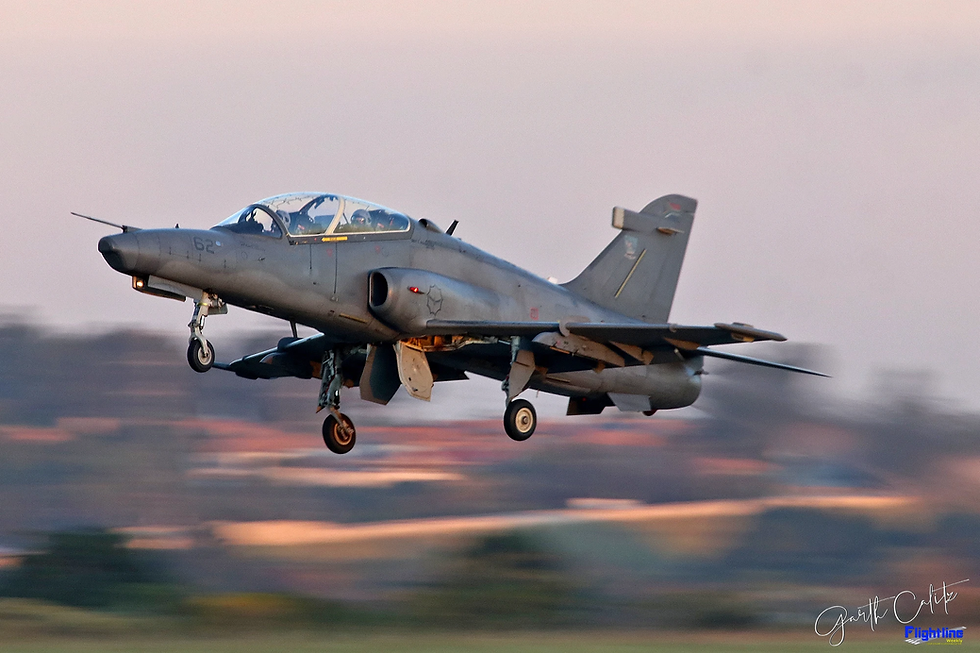

The recently retired Chief of the SAAF, Lieutenant General Mbambo, first announced the concept of a Space Command in 2022. It was greeted by howls of laughter from the traditionalists. But maybe he was one to something and deserves the credit for coming up with the concept. There are the traditionalists who believe that only when you have an Air Force with squadrons of fighter jets. Without them, you don't have an Air Force. But the time has come for the country to do some hard thinking.

Recent wars, namely the Russian Ukrainian and Trump vs Iran, have highlighted the role that UAVs, or drones, have played in them. They have become a major role player in both of these wars. Even before these two wars broke out, Western and indeed Communist countries had been spending massive amounts of money developing drones. Not the simple little drone that flies around your house and bothers the neighbours, but developing drones that can fly for 24 hours plus, at 50000ft plus and can fly halfway across the world, either carrying out surveillance flights, or carrying weapons to drop on the enemy.

This raises the issue of whether we, as South Africa, need squadrons with fancy jets to defend our country.
We all know the dubious process which the Government went through to replace the Mirage/Cheetah fleet with Gripen jets. Why did the SAAF want a new fighter aircraft in the first place? The Air Force’s previous fighter platform, the Cheetah strike aircraft, was coming to an end, and the Air Force needed to replace it. Itself being an upgraded version of the vaunted French Mirage 3 that was purchased by the South African Air Force in the 1960’s, it served the country for nearly 20 years.

Since the announcement of the Gripen winning the competition to become the SAAF’s new fighter aircraft, the contract has come under intense criticism from several quarters and has been mired in controversy. This centred around three points.
Firstly, the argument that the Cold War was over and South Africa faces no military threat from its neighbours to warrant the purchase of such a sophisticated fighter jet.

Secondly, the Gripen was not compatible with South Africa’s military’s new role of peacekeeping and peace enforcement operations on the continent.
Thirdly, the purchase of the Gripen itself came under scrutiny. It was claimed that the other contenders competing for the government’s arms purchase, namely the French Mirage 2000 and the German Mako fighter/trainer, had better capabilities and were cheaper to both buy and operate. There was no openness and transparency around the contract.

The Gripens arrived in 2012; since then, the majority of them have stood around in hangars and hardly been flown. There is no neighbouring country that has posed a threat to SA, so they are not needed for attack and defence flights, they don't have the range to patrol and defend the borders, and the necessary air tankers don't exist in the SAAF any more, so one is left asking what they are needed for? The only time they are seen is flying around the opening of Parliament, at airshows and at some fancy sports event, trying to convince visiting countries that we have a big Air Force!

Sophisticated fighter aircraft are not needed either for attack or defensive roles. We need something that can perform a defensive role and keep our borders safe from people illegally entering the country. The Hawks are more than suitable for that and are a lot cheaper to operate than the Gripen. Reality is that the time has come to sell the Grippens and use the money more effectively elsewhere around the SAAF. Another alternative may be purchasing the locally produced Paramount Mwari. The versatile aircraft is capable of performing a variety of missions, such as peacekeeping, surveillance, policing, border and coastal patrols, anti-smuggling activities, patrol and counter-insurgency operations, disaster relief, emergency supply deliveries to remote regions, and intelligence gathering. Ideal for the revised SAAF Mandate.

The way forward
The time has come to look at what role the SAAF has to play in the country. They need to focus on three areas:
The SAAF does not need long-range transport aircraft. They need something that can transport logistical equipment and support around the country, from a central base, i.e., Pretoria and support what's left of the Army and various other Government agencies, in times of national disasters and emergencies. A medium-range transport aircraft is more than suitable for this. Something along the lines of the Embraer C390 Millennium. Has the range, ability to transport reasonable loads and get into both prepared and unprepared strips.

Restore the Oryx fleet to what it was and have enough serviceable and spread around the country, to act and assist when needed in times of emergency. They are not going to be used to carry troops into war zones, but they will be needed for SAR, logistical support and evacuation flights.

The SAAF still has an obligation to train pilots to fly these aircraft. Do we need expensive basic trainers like the Pilatus PC7? No. Rather dispose of them and buy a fleet of modern light aircraft, which come with fully EFIS-equipped. Here, the Sling 2 aircraft comes to mind. Modern, economic to operate and a full digital IFR cockpit and importantly built locally. Once pilots have qualified on these, integrate them into the SAAF using light transport aircraft – the Cessna Caravan, for example, is perfect for this. A squadron of these aircraft can serve a dual purpose – advance training, preparing pilots for transport aircraft and then being used as support aircraft for the SANDF and other civil organisations, when needed.

And finally, a functioning Space Command supporting and operating drones.
Drones have developed way past the little drone we played with in our backyards and along the beach. Sophisticated, advanced, capable of doing many roles and with sufficient endurance to replace most aircraft nowadays. Drones are a far better option for the SAAF. They are easier to manufacture, obtain and incorporate into the SAAF. Scary to think that the Ukrainians are believed to be making up to 5000 drones a day, primarily using 3D printers!
They are easy to deploy and operate and can gather intelligence, perform reconnaissance flights and assist with SAR at a fraction of the cost of an aircraft. They don't need huge airfields, which cost an arm and a leg to maintain, staff and keep operational. Drones can be kept at one central base and deployed around the country when needed. And also at a fraction of the personnel needed, for example, to maintain lots of squadrons of aircraft. Imagine the cost savings that could be made by closing several bases, reducing staff numbers, becoming more efficient and effective? They could operate from this central base and easily do reconnaissance of the land borders and support the Border Management units of Home Affairs.

They could also be used to support local Government agencies in times of emergencies and disasters. Providing support during the fire seasons would be another role they could easily assist with. The advantage is their ability to deploy rapidly, without needing huge logistical support. Most drones nowadays can be put on the back of a truck or utility vehicle and driven close to where they are needed.

The country used to have an effective maritime survey and reconnaissance function. Since the ANC has taken over, that has effectively ceased to be. This could be brought back to service by the use of UAVs. The cost saving to obtaining long-range reconnaissance aircraft are massive. The SAAF could base a squadron along the West and East coasts, and equip them with long-range drones. They could perform a reconnaissance, patrol and search and rescue function very effectively, with not many personnel needed to keep the squadrons operating effectively and efficiently.
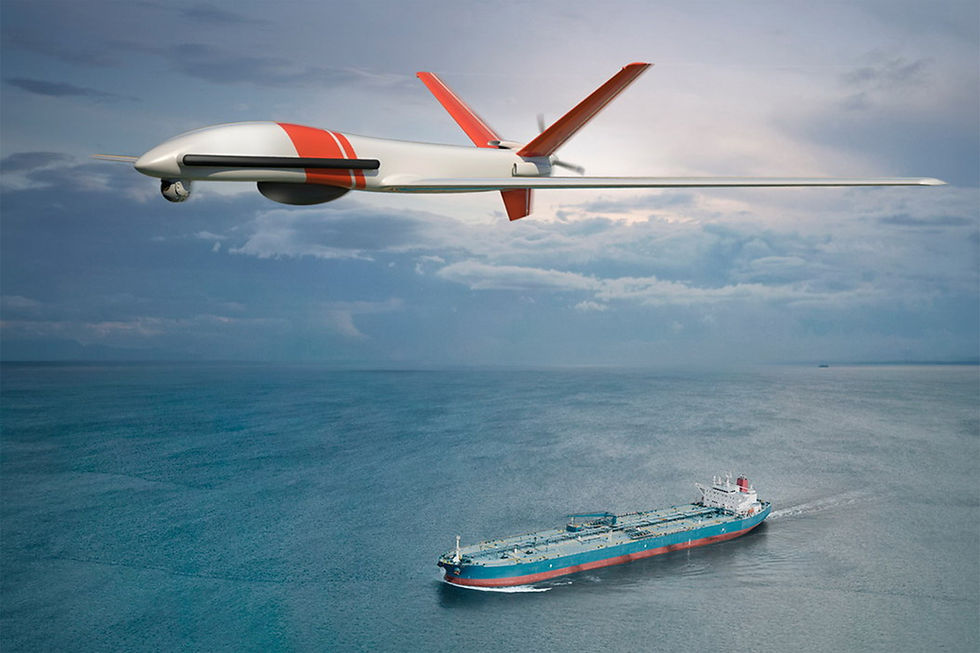
They could also be incorporated into the Space Command and assist there, when needed. Let's not deny it, drones are a lot easier, cheaper and more functional than having fancy aircraft. They can do the same jobs, functions and in fact, even more than modern-day aircraft can do. And with a lot fewer personnel than any squadron of aircraft needs. Another massive cost saving to the SAAF.
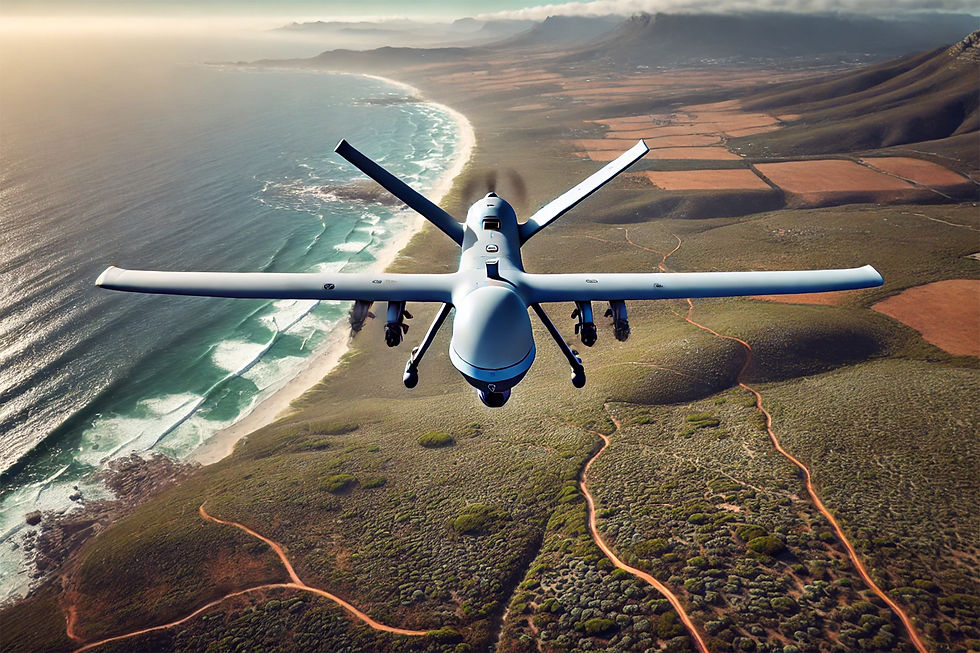
Maybe General Mbambo was right. Maybe we should have given him more credit, not laughed at him. The SAAF needs to refocus. It does not need to be a big fighting air force, but a slicker, slimmer, effective unit based on supporting the Army, Navy and various other Government Departments in making the country safer and quick to respond to national disasters and emergencies, whilst making the land borders secure.





A useful Piso WiFi guide should explain how to connect, access the login portal, and understand available internet time. Simple instructions are especially helpful for new users who are unfamiliar with coin-operated WiFi systems.
An interesting perspective on how aviation is evolving and how modern technology is reshaping the future of air operations. Beyond the aircraft itself, the complete travel experience also depends on reliable ground support. For executives and private aviation travelers, services like a private chauffeur service help create a seamless transition between the airport and final destination.
I found this discussion about the future of the South African Air Force really thought-provoking, especially the focus on adapting to modern technology. After reading articles like this, I usually relax with bitlife which is a life simulation game where every choice shapes a unique story and keeps me entertained.