


Il-114-300 Completes Arctic Certification Trials

The Russian-built Ilyushin Il-114-300 has successfully completed a new phase of certification testing in the Arctic, marking another milestone in the development of Russia’s domestic regional aviation programme. Conducted by specialists from the Ilyushin Aviation Complex, part of the United Aircraft Corporation under the umbrella of Rostec, the trials demonstrated the aircraft’s ability to operate in some of the harshest environmental conditions on Earth.

The latest testing campaign saw the Il-114-300 conduct a series of flights from Arctic airfields located on the remote archipelagos of Novaya Zemlya and Franz Josef Land. These operations formed part of an expanded effort to certify the aircraft for use across Russia’s vast northern territories, where reliable regional air transport remains a critical component of economic activity and community connectivity.

A key focus of the trials was the evaluation of the aircraft’s navigation capabilities in extreme polar conditions. Engineers assessed the performance of the BINS-2015 inertial navigation system, developed by KRET, another Rostec subsidiary. The system enables autonomous navigation in regions where conventional satellite-based navigation can become unreliable or degraded, a crucial capability for Arctic operations where magnetic anomalies and limited ground infrastructure can complicate navigation.


According to Russian Deputy Minister of Industry and Trade Gennady Abramenkov, the successful completion of the Arctic testing programme represents an important step for the country’s aviation sector and for improving transport accessibility to remote northern regions. He noted that the aircraft’s ability to operate in severe climatic conditions is particularly significant given Russia’s extensive geography and diverse weather environments.


The aircraft reportedly flew to within approximately 100 kilometres of the North Pole during the trials. Daniil Brenerman, Managing Director of JSC Il, said the tests validated earlier claims that the Il-114-300 had been designed to operate effectively in virtually all climate zones and latitudes. The Franz Josef Land archipelago was selected for the evaluation because it hosts Russia’s northernmost airfield, situated along the 80th parallel.
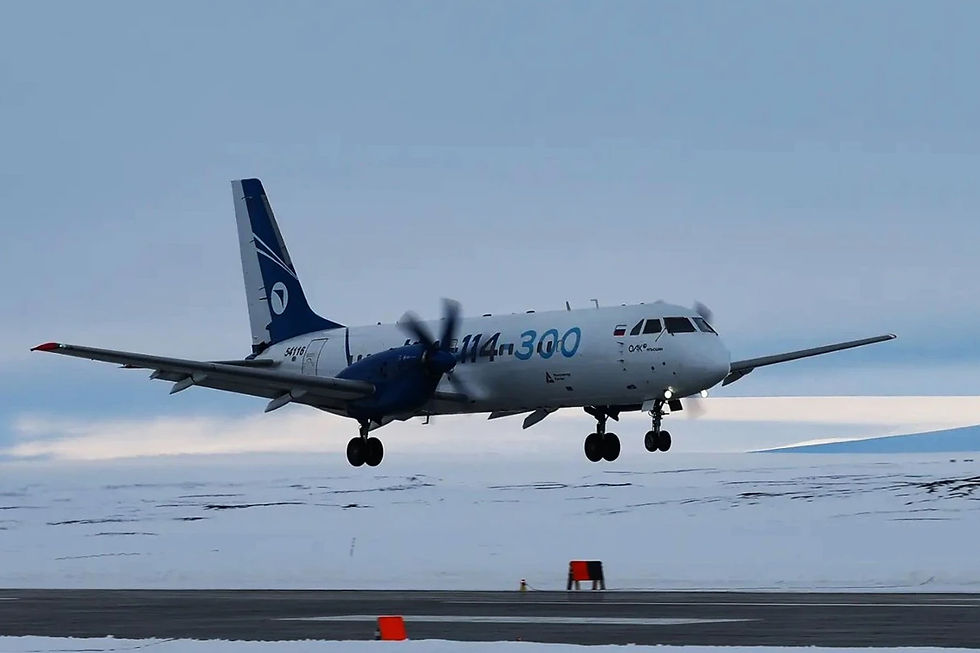
Brenerman added that confirmation of the aircraft’s Arctic deployment capability opens the possibility for the Il-114-300 to replace ageing regional aircraft currently operating in northern Russia, including older Soviet-era types and imported aircraft that have traditionally served these routes. Such replacement plans align with broader Russian efforts to reduce dependence on foreign-built aircraft and components amid ongoing geopolitical and economic pressures.

Development work on the Il-114-300 remains ongoing, with further certification activities scheduled later this year. High-temperature trials are planned during the northern summer months, while operations from unpaved runways are expected to be tested in early autumn. These additional evaluations are intended to broaden the aircraft’s certified operating envelope and enhance its versatility for use in isolated and infrastructure-limited regions.

The Il-114-300 is a modernised derivative of the original Il-114 regional turboprop and is intended to serve short- and medium-haul routes throughout Russia and potentially other export markets. Designed to operate from relatively short runways and austere airfields, the aircraft is aimed at regional operators requiring dependable performance in difficult operating environments.
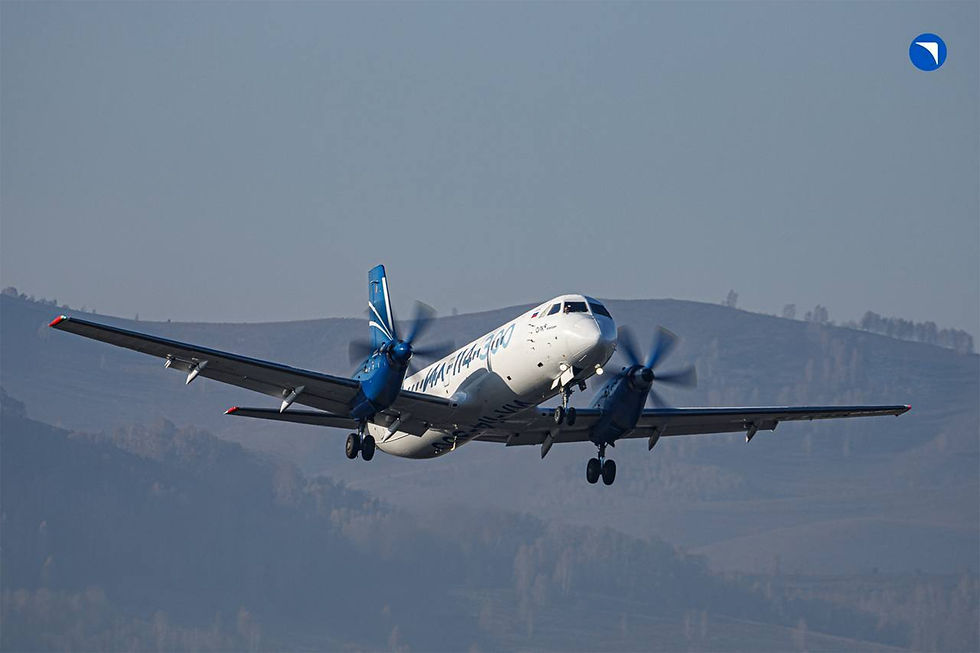
Powered by two Russian-built TV7-117ST-01 turboprop engines produced by the United Engine Corporation, the aircraft is manufactured entirely with domestically sourced components. This domestic production strategy has become increasingly important for the Russian aerospace industry as it seeks to strengthen self-sufficiency across both civil and military aviation sectors.
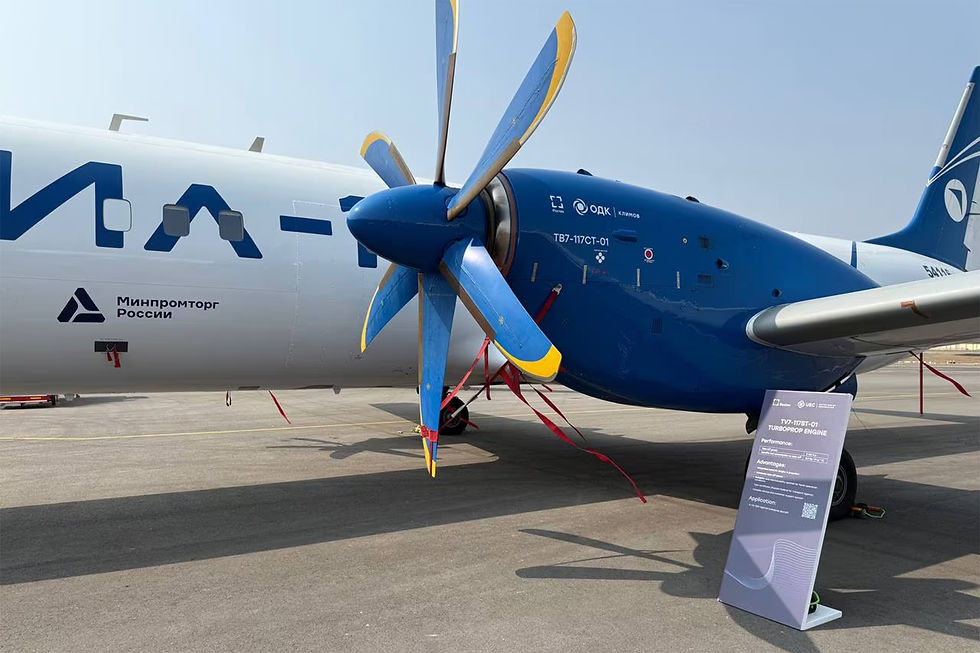
With Arctic certification progressing and additional operational testing planned, the Il-114-300 continues to position itself as a key element in Russia’s future regional aviation network, particularly in territories where extreme weather, limited infrastructure, and vast distances demand highly specialised aircraft capabilities.





Comments