


Hungary Receives Two New Gripen Fighters

Hungary has taken delivery of two additional Gripen C fighter aircraft, marking a further step in the ongoing modernisation of the Hungarian Defence Forces’ air combat capability. The aircraft will be operated by the 101st Aviation Wing from Kecskemét Air Base, reinforcing the country’s ability to meet both national defence requirements and its commitments to NATO operations.

The delivery follows a contract signed in February 2024 between the Hungarian Ministry of Defence and Swedish Defence Materiel Administration (FMV), covering a total of four new aircraft. The two fighters delivered represent the first tranche of this agreement, with the remaining aircraft expected to follow in due course. The programme reflects Hungary’s continued reliance on the Gripen platform and its intent to maintain a modern, interoperable fleet aligned with allied standards.


According to Saab, the delivery underscores its ability to meet contractual timelines while supporting long-term partnerships. The company has also committed to further investment in Hungary’s aviation sector, including plans for an Aviation Development Centre aimed at enhancing local expertise and deepening industrial cooperation. This initiative is expected to provide Hungary with greater involvement in the ongoing evolution of the Gripen system.

Hungary first introduced the Gripen into service in 2006, replacing its legacy Soviet-era aircraft and significantly upgrading its air defence capabilities. Since then, the fleet has played a central role in the country’s air policing duties, including NATO’s Baltic Air Policing mission. With the addition of the new aircraft and the latest upgrade package, Hungary’s Gripen fleet will expand to 18 C/D variants, ensuring improved operational flexibility and extended service life.

The Gripen itself has a development history rooted in Sweden’s Cold War defence strategy. Conceived in the late 1970s and formally developed during the 1980s, the aircraft was designed to replace the ageing Saab 35 Draken and Saab 37 Viggen fleets. Its name—Gripen, meaning “gryphon”—reflects a blend of agility and strength, characteristics that guided its design philosophy. The programme emphasised a lightweight, multirole fighter capable of operating from dispersed bases, including short and improvised runways, a key requirement for Sweden’s defensive doctrine.

The prototype flew in 1988, and despite early challenges, including a pair of high-profile test flight incidents, the programme matured into one of Europe’s most successful indigenous fighter developments. The Gripen entered operational service with the Swedish Air Force in the mid-1990s and quickly gained attention for its advanced avionics, data-link capabilities, and relatively low operating costs compared with larger Western fighters.

Over time, the aircraft has evolved into several variants, including the C/D models operated by Hungary, which feature NATO-compatible systems, in-flight refuelling capability, and enhanced mission flexibility. The type has been exported to multiple countries, including South Africa, the Czech Republic, and Brazil, reinforcing its reputation as a cost-effective yet highly capable multirole platform.
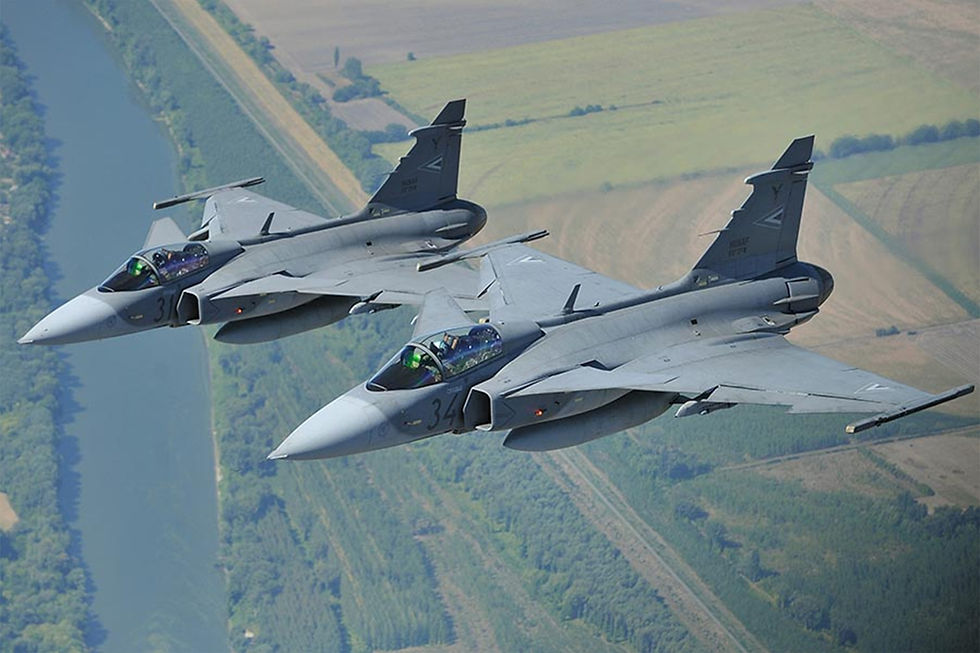
For Hungary, the continued expansion and upgrade of its Gripen fleet signals a sustained commitment to maintaining credible air power. As regional security dynamics evolve, the integration of additional aircraft and ongoing cooperation with Saab positions the Hungarian Air Force to remain a capable and reliable contributor within NATO’s collective defence framework.





A lot of fantasy naming tools feel spammy these days, but this star wars name generator is actually simple and easy to use. Good option when you want quick inspiration without scrolling through ads forever.