





First B-52 with New Radar Delivered for USAF Flight Testing

Boeing has reached a major milestone in the long-term modernisation of the U.S. Air Force’s iconic B-52 Stratofortress, delivering the first aircraft fitted with a new-generation radar system for dedicated flight testing. The delivery marks a critical step in ensuring that the legendary bomber remains operationally relevant and technologically dominant well into the 2050s and beyond.
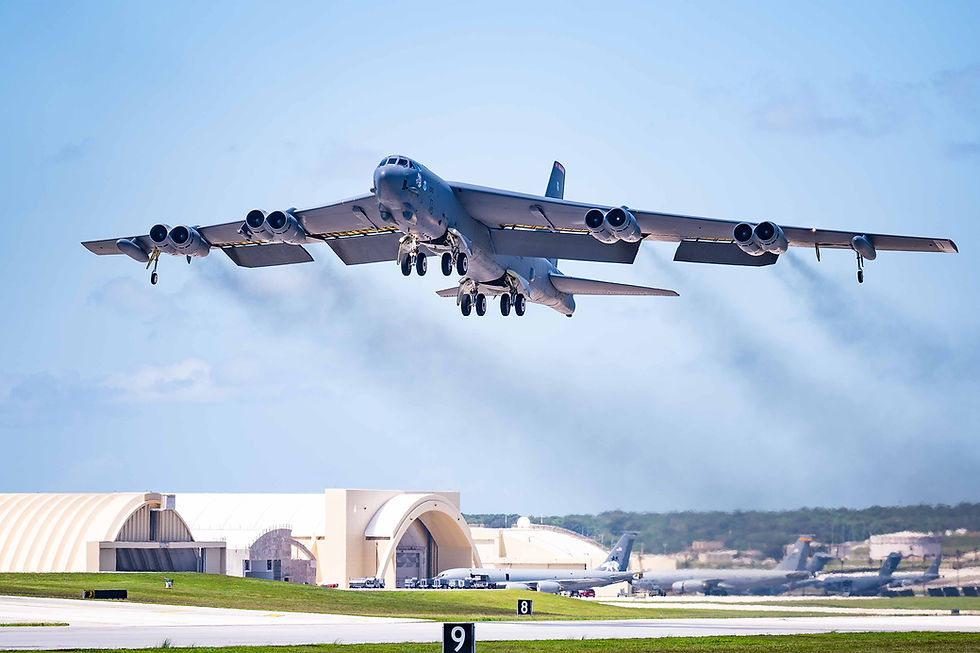

The aircraft, configured for the Radar Modernisation Program (RMP) flight-test phase, has been handed over to the 412th Test Wing at Edwards Air Force Base in California. Its arrival at the renowned high-desert test centre signals the start of an intensive programme of airborne evaluations aimed at validating the performance, integration and reliability of the new radar in operational flight conditions.

At the heart of the upgrade is the APQ-188 active electronically scanned array (AESA) radar, a system comparable in capability to those fitted to today’s most advanced fighter aircraft. For the B-52, this represents a transformational improvement in sensing, targeting and battlespace awareness.


According to Troy Dawson, Vice President of Boeing Bombers, the new radar dramatically enhances the bomber’s effectiveness and survivability. “The new radar will significantly increase B-52 mission effectiveness by improving situational awareness, speeding target prosecution and enhancing aircrew survivability in contested environments,” he said.

The APQ-188 allows the aircraft to see further, detect and track targets more rapidly and process information at far greater speed than legacy systems. For aircrews, this means clearer insight into complex operational environments and a decisive advantage when operating against increasingly sophisticated threats. Even for an aircraft affectionately nicknamed the “BUFF” – Big Ugly Fat Fellow – the upgrade delivers a level of capability that firmly places it in the modern battlespace.

The Edwards AFB flight-test phase follows a series of successful ground integration activities and system functional checks conducted at Boeing’s San Antonio facility. This phased approach reflects the programme’s emphasis on reducing risk and ensuring a solid technical foundation before moving into more demanding flight-test regimes.

“This phase of the programme is dedicated to getting it right at the start, so that we can execute the full radar modernisation effort,” Dawson explained. Data gathered during these early tests will shape the remainder of the programme and support a smooth transition to fleet-wide installation.
While the new radar is the most visible element of the RMP, the programme encompasses a far broader transformation of the B-52’s sensor architecture and crew interface. Central to the upgrade are new mission computers known as Display and System Sensor Processors (DSSPs). These systems integrate the APQ-188 radar with existing and future onboard sensors, enabling more efficient data fusion and presentation. Crew workstations have also been extensively modernised, with the navigator and radar navigator positions now featuring two large 8 x 20-inch high-definition touchscreens. These displays present detailed radar imagery, system controls and legacy information in a single, intuitive interface.

Radar operation itself has been streamlined through the introduction of two fighter-style hand controllers, reducing workload and improving ease of use during demanding missions. Recognising the increased power and thermal demands of advanced AESA technology, the RMP also incorporates significant upgrades to the aircraft’s cooling and environmental control systems. Liquid cooling for the radar and improved heating using engine bleed air ensure reliable operation across the full range of mission environments, from high-altitude cold to sustained long-duration sorties.
For decades, the B-52 has formed the backbone of America’s long-range strike capability. Programmes such as the Radar Modernisation Program are essential to maintaining that role as the aircraft approaches a century of service. The RMP is one pillar of a broader modernisation effort that also includes new engines, improved communications and enhanced weapons integration. Together, these upgrades will allow the B-52 to operate effectively at standoff ranges, counter advanced air-defence systems and remain a credible deterrent in an evolving threat landscape.

Data collected by the 412th Test Wing in the months ahead will inform subsequent development phases and underpin the planned retrofit of the USAF’s entire operational B-52 fleet, currently numbering 76 aircraft.





Comments