


Armed Forces of Malta Expands Maritime Patrol Fleet with New Beechcraft King Air 360ER

The Armed Forces of Malta (AFM) will strengthen its maritime surveillance capability with the addition of a new Beechcraft King Air 360ER, following its delivery by Textron Aviation during the Farnborough International Airshow. The aircraft will expand Malta's existing King Air fleet while maintaining commonality with its current maritime patrol assets.

The factory-new extended-range turboprop has been delivered to German mission systems specialist Aerodata AG, where it will undergo modification before entering service with the Armed Forces of Malta in 2027. Once equipped with its specialised mission systems, the aircraft will undertake a wide range of operations over the central Mediterranean, including maritime surveillance, border security, law enforcement, fisheries monitoring, and search-and-rescue missions.

The Beechcraft King Air 360ER has established itself as one of the world's most versatile special mission platforms, combining excellent endurance with low operating costs and proven reliability.

Bob Gibbs, Vice President of Special Missions Sales at Textron Aviation, said the aircraft is ideally suited to the demanding operational environment surrounding Malta. "The Beechcraft King Air 360ER is exceptionally well suited for maritime patrol missions, offering the range, endurance and reliability required to operate across the central Mediterranean," Gibbs said. "We are proud to continue our long-standing relationship with the Armed Forces of Malta and to support their mission with another proven King Air platform."

The new aircraft represents another step in a relationship spanning more than a decade, during which the AFM has relied on King Air aircraft to monitor one of Europe's busiest and most strategically important maritime regions.

Following delivery from Textron Aviation, the aircraft has been transferred to Aerodata AG in Braunschweig, Germany. The company specialises in integrating advanced airborne surveillance systems and mission equipment onto fixed-wing aircraft.

Before entering Maltese service, the King Air 360ER will receive a comprehensive suite of maritime patrol sensors and communications equipment, enabling crews to detect, identify and monitor vessels over vast areas of sea. These systems are expected to include advanced radar, electro-optical and infrared sensors, mission management software and secure communications equipment, allowing the aircraft to support multiple government agencies during both routine patrols and emergency operations.

Situated between Europe and North Africa, Malta occupies one of the Mediterranean's most strategically significant locations. Its aircraft routinely patrol extensive areas of sea that serve as major commercial shipping routes while also supporting border protection, anti-smuggling operations, environmental monitoring and humanitarian search-and-rescue missions.
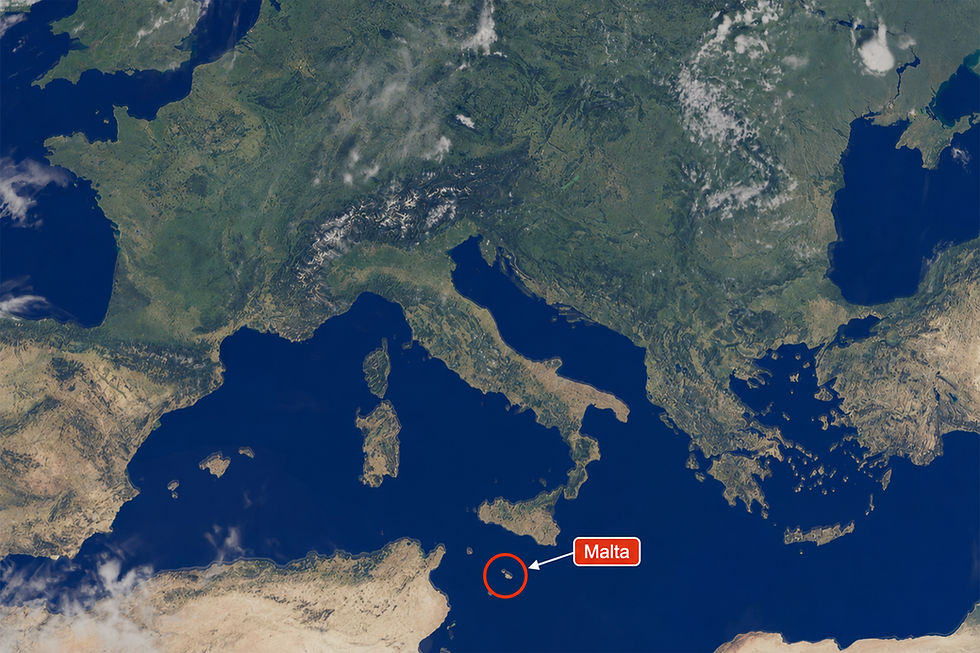
The addition of another King Air will increase operational availability while ensuring fleet commonality, reducing training requirements and simplifying maintenance and logistics. The extended-range capability of the 360ER will allow crews to remain on station for longer periods, increasing surveillance effectiveness without requiring additional aircraft.

The Armed Forces of Malta's latest acquisition highlights the continuing relevance of turboprop aircraft in modern surveillance operations. While unmanned aircraft and satellites are assuming larger roles in maritime monitoring, crewed platforms such as the King Air remain indispensable thanks to their flexibility, endurance and ability to respond immediately to evolving situations.

For smaller nations with extensive maritime responsibilities, aircraft like the King Air 360ER provide an ideal balance between capability and affordability. As security concerns and humanitarian responsibilities continue to grow across the Mediterranean, Malta's investment in another proven maritime patrol aircraft ensures it will remain well equipped to safeguard its territorial waters and contribute to regional stability well into the next decade.





The promotion material clearly targets stakeholders interested in a structured advertising alliance. The Asia-focused network's value proposition is presented in a straightforward manner, which helps in assessing its fit for specific campaign needs.