


AI Takes to the Skies Aboard Rafale

Dassault Aviation has taken another step towards integrating artificial intelligence into the fighter cockpit, flight-testing two sovereign AI algorithms aboard a Rafale as France develops increasingly capable combat systems designed to support, rather than replace, the human operator.

Dassault Aviation has flight-tested two new artificial intelligence algorithms aboard a Rafale fighter, marking a significant step in the French manufacturer's programme to introduce sovereign AI capabilities into future combat aircraft. One algorithm was developed by Dassault Aviation engineers, while the second was developed in collaboration with Thales and its cortAIx artificial intelligence organisation.
The flight trials form part of a broader initiative to introduce controlled and supervised AI into the cockpit, with the technology specifically intended to serve the human crew. Dassault says both functions have reached a level of maturity that makes them eligible for incorporation into future Rafale upgrades, although the company has not disclosed the precise operational roles of the two algorithms.

The development highlights one of the more important challenges facing modern combat-aircraft designers. Integrating AI into a fighter is not simply a matter of adding computing power and allowing an algorithm to analyse sensor information. The system must operate reliably with high-quality operational data, function within the aircraft's existing combat architecture and deliver useful results despite the severe limitations imposed by an airborne, embedded computing environment.
Dassault has identified three key areas in particular: ensuring the availability and quality of operational data, whether real or simulated; combining that data with specialist knowledge and domain expertise; and optimising the algorithms so they can operate efficiently on embedded platforms with stringent processing, power and environmental constraints.

The flight testing is therefore important because it moves these technologies beyond laboratory development and simulation and into the aircraft itself. AI systems intended for combat aviation must ultimately demonstrate that they can operate reliably within the complex and rapidly changing environment of a fighter aircraft, where decisions may depend on multiple sensors, incomplete information and constantly changing tactical conditions.
The development also represents an extension of Dassault's long-established role as the industrial architect and systems integrator of complex combat aircraft. The Rafale has evolved continuously through successive upgrades, allowing new sensors, weapons, electronic warfare capabilities and computing technologies to be introduced without requiring an entirely new aircraft.

The partnership with Thales/cortAIx is particularly significant, combining Dassault's experience in aircraft and combat-system integration with Thales' expertise in artificial intelligence and defence electronics. The emphasis on sovereign AI also reflects France's broader objective of maintaining control over critical defence technologies, algorithms and operational data rather than becoming dependent on externally controlled systems.
The potential value of AI in the fighter cockpit is relatively straightforward. Modern combat aircraft generate enormous quantities of information from radar, electro-optical systems, electronic warfare sensors, datalinks and other sources. The problem for the pilot is no longer simply obtaining information, but rapidly identifying what matters and turning it into actionable knowledge.
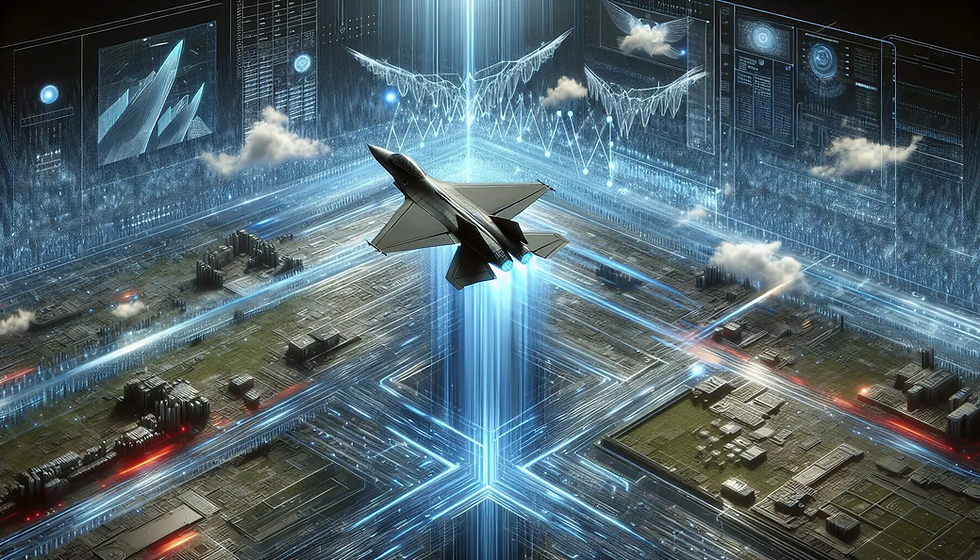
AI could assist by processing and prioritising this information, identifying patterns and providing additional decision support while leaving tactical authority with the crew. Dassault's emphasis on controlled and supervised AI is therefore significant: the objective is not to remove the human from the decision-making process, but to give the human a more capable digital assistant.
The two algorithms tested on the Rafale are an indication that this concept is moving from research towards practical implementation. Their precise functions remain undisclosed, which is unsurprising given the potential operational sensitivity of AI-enabled combat systems, but their successful flight testing demonstrates that Dassault is already evaluating the technology in the real aircraft environment.
For the Rafale programme, the development could eventually provide another layer of capability as the aircraft continues to receive upgrades. For the wider combat-aircraft industry, it provides a further indication that AI is moving from an experimental technology into the architecture of next-generation military aviation.
The fighter cockpit of the future is therefore unlikely to be simply pilot versus machine. Instead, it is increasingly becoming a partnership between the two, with artificial intelligence handling more of the information-processing burden while the human remains responsible for judgement and critical decisions.
For the Rafale, that future has now taken another step forward — and this time, the AI has actually flown.





Comments