


777-9 ETOPS Hits Another Bump as Boeing and GE Send Mixed Signals

The Boeing 777-9 has returned to the aviation headlines for all the wrong reasons, with the aircraft's final certification campaign facing another potential delay as Boeing and GE Aerospace offer different explanations for what is holding up the start of the crucial ETOPS testing programme.

Boeing says the Federal Aviation Administration has not yet authorised the start of the ETOPS flight-test campaign, with the process linked to additional work on the GE9X engine and, specifically, a durability issue involving a mid-seal within the engine. GE Aerospace, however, maintains that its redesigned seal programme is progressing as planned and that the upgraded component is not required for the critical ETOPS flight testing. The mixed messaging has inevitably raised eyebrows around a programme that has already accumulated several years of delays.

The issue first emerged earlier this year when GE identified a durability problem with the GE9X mid-seal. According to Reuters, the problem was discovered in February, the root cause was identified in April, and the company subsequently developed a redesigned component. GE says the improved seal began shipping during the third quarter and remains on track for FAA certification. The company has also said that the original seal remains suitable for the certification requirements associated with the ETOPS testing.

ETOPS, Extended-range Twin-engine Operational Performance Standards, is not just another box on the certification checklist. The 777-9 is a twin-engine aircraft designed to operate long-haul routes far from suitable diversion airports. Before airlines can confidently send the aircraft across oceans and other remote regions, Boeing must demonstrate that the aircraft and its engines meet the required reliability and operational standards. And this is where the programme has encountered another unwelcome speed bump.

Boeing CEO Kelly Ortberg recently said that additional testing associated with the GE9X issue had reduced the amount of time available to complete the remaining certification work during 2026. He warned that some testing could therefore spill into 2027. Boeing continues to target the first 777-9 delivery in 2027, but the latest developments demonstrate just how little schedule margin remains.
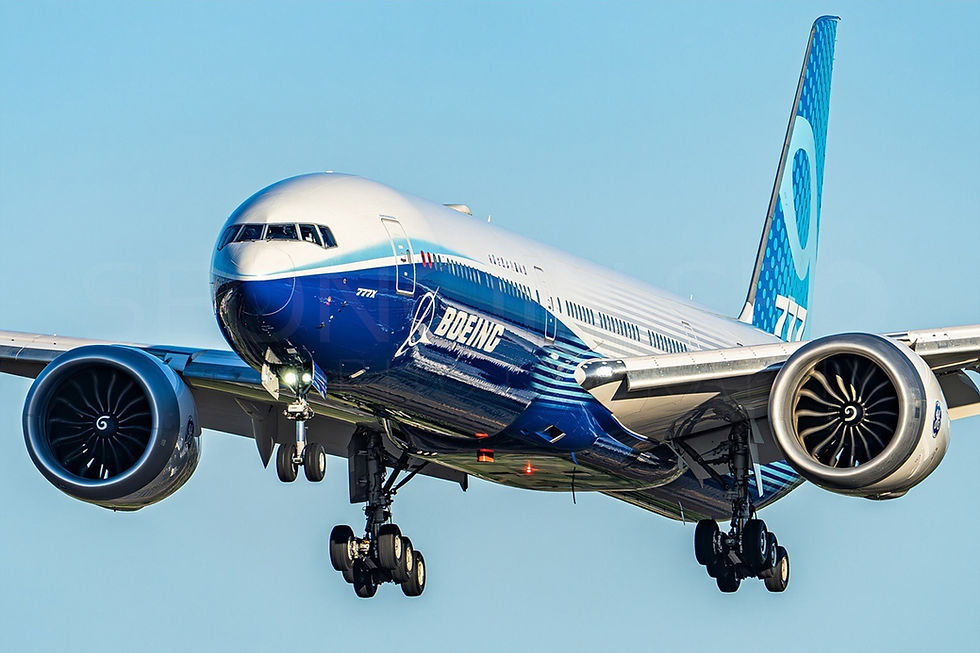
For Boeing, this is particularly frustrating because the 777X programme has already spent years in development. The first 777-9 flight took place in January 2020, and the aircraft has accumulated thousands of hours of testing since then. Yet the final stages of certification continue to prove considerably more complicated than originally anticipated. The aircraft's original service-entry target was 2020. We are now talking about 2027. In aviation terms, that is not a delay. That is practically a career.

The GE9X is itself one of the most technologically advanced commercial aircraft engines ever developed. Its enormous fan diameter, high bypass ratio and extensive use of composite materials were intended to provide the efficiency required for the next generation of 777 long-haul operations.
The mid-seal problem does not appear to threaten the basic architecture of the engine. GE has identified the cause, redesigned the component and says testing has validated the solution. Nevertheless, any modification to a component that forms part of the engine's certification basis has to be handled carefully.

GE's position is that the original seal remains adequate for the ETOPS certification campaign, while Boeing's public comments suggest that the engine work has nevertheless become a factor in obtaining approval to begin the campaign. It has become apparent that the two companies are now sending different messages about the cause of the holdup. That may sound like corporate semantics, but when an aircraft is waiting for the final major certification campaign before entering airline service, semantics tend to become rather expensive.
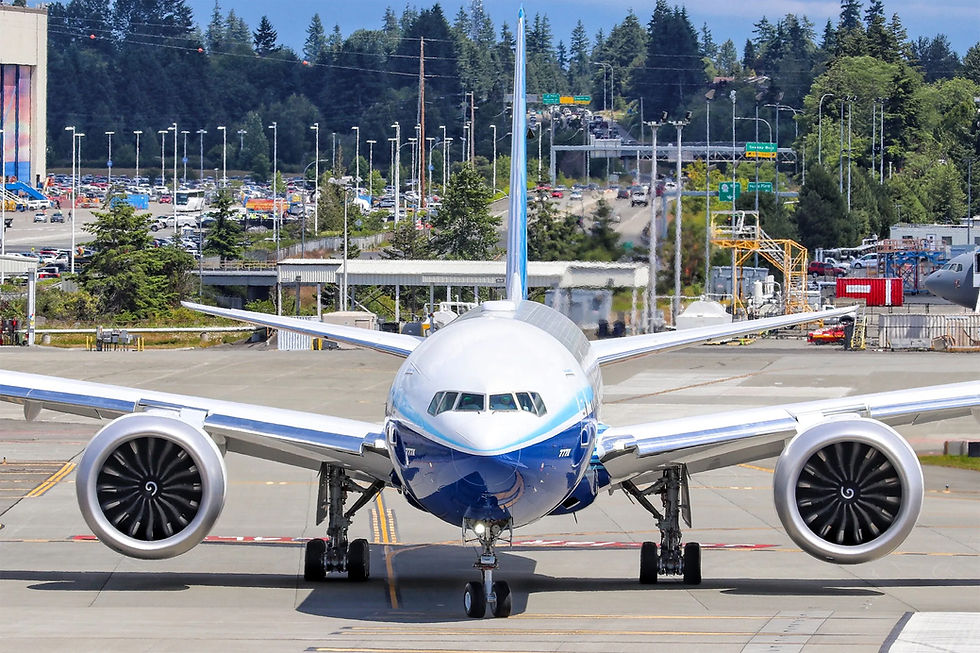
The ETOPS campaign is one of the remaining major hurdles before Boeing can complete certification of the 777-9. The aircraft's final certification programme also has to accommodate the usual function-and-reliability testing and regulatory scrutiny. Boeing has already adjusted elements of its production and delivery planning. The company has roughly 30 early-build 777-9 aircraft that were completed before certification and will require modification before they can be delivered to customers. Boeing is working with airlines on how those aircraft will ultimately be brought up to the required standard.

That creates another interesting problem. Aircraft sitting in storage for years are not exactly getting younger, even if they have never carried a passenger. Airlines ordering a brand-new flagship aircraft naturally expect it to arrive with the latest certified configuration rather than requiring an industrial-strength shopping list of modifications before entering service.
Emirates, the largest 777X customer, has previously expressed concerns about the amount of work required on early-build aircraft. Boeing has said the issue is being handled through discussions with customers and that it has accounted for the situation financially. Despite the latest complications, Boeing has not formally moved the 777-9's planned first delivery beyond 2027.

The current situation means some certification testing may extend into next year, but it does not automatically mean that the first customer aircraft will be delayed again. GE has also maintained that its GE9X work should not prevent the aircraft from entering service on the current schedule.
For airlines that have been waiting years for the aircraft, however, the latest development will do little to reduce anxiety. The 777-9 is central to the future long-haul fleets of airlines including Emirates, Lufthansa and Qatar Airways, and its eventual arrival will mark the beginning of a new generation of the 777 family rather than simply another derivative. Boeing therefore has considerable incentive to get the remaining certification work completed without compromising the process.
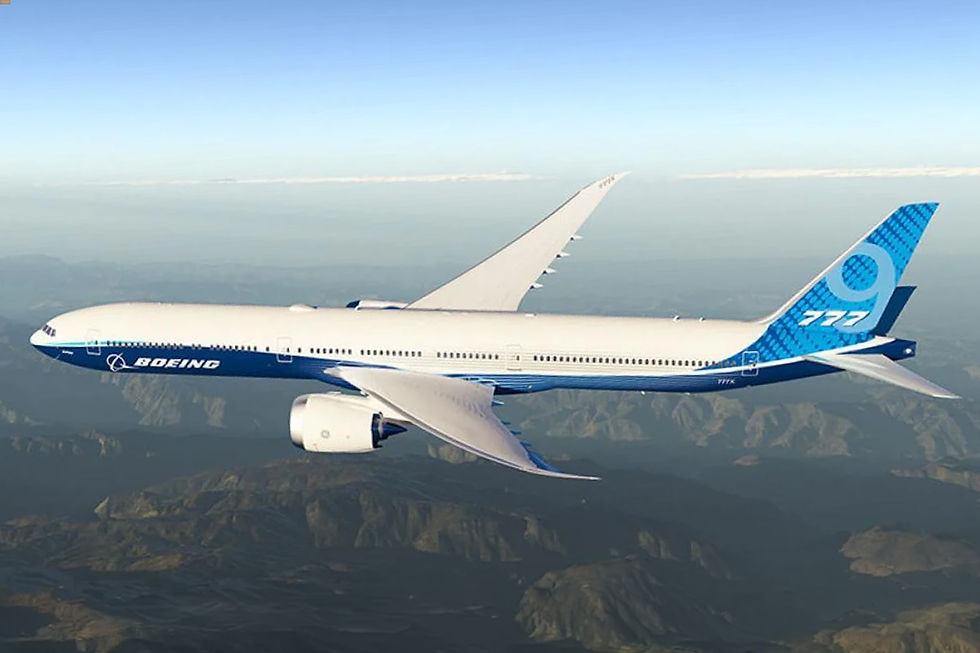
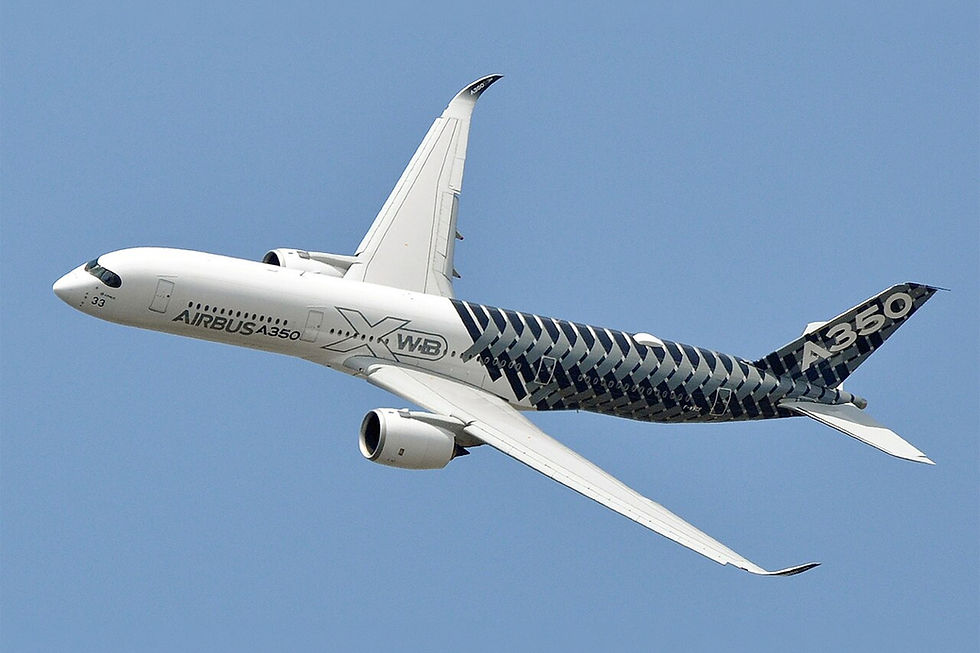
The irony is that the 777-9 itself is no longer the new kid on the block. Airbus has already established the A350 family as a major player in the long-haul market while Boeing's next-generation 777 has remained stuck in certification limbo.
The 777-9 remains an impressive aircraft on paper and in flight testing. Its challenge now is getting from test aircraft to airline aircraft. With ETOPS still waiting in the wings, Boeing and GE will probably be hoping that the next headline about the GE9X is considerably less exciting. After all, when it comes to commercial aviation, boring is usually a very good thing.





Comments