




The C-390 Is Coming for the Hercules — And Uzbekistan Has Joined the Queue

Embraer’s C-390 Millennium has added another flag to its growing list of international operators, with Uzbekistan taking delivery of its first aircraft on 25 September. The handover, conducted at Embraer’s facility in Gavião Peixoto, Brazil, makes Uzbekistan the first C-390 operator in Central Asia and represents another significant step in the Brazilian manufacturer’s increasingly successful assault on the medium military transport market.
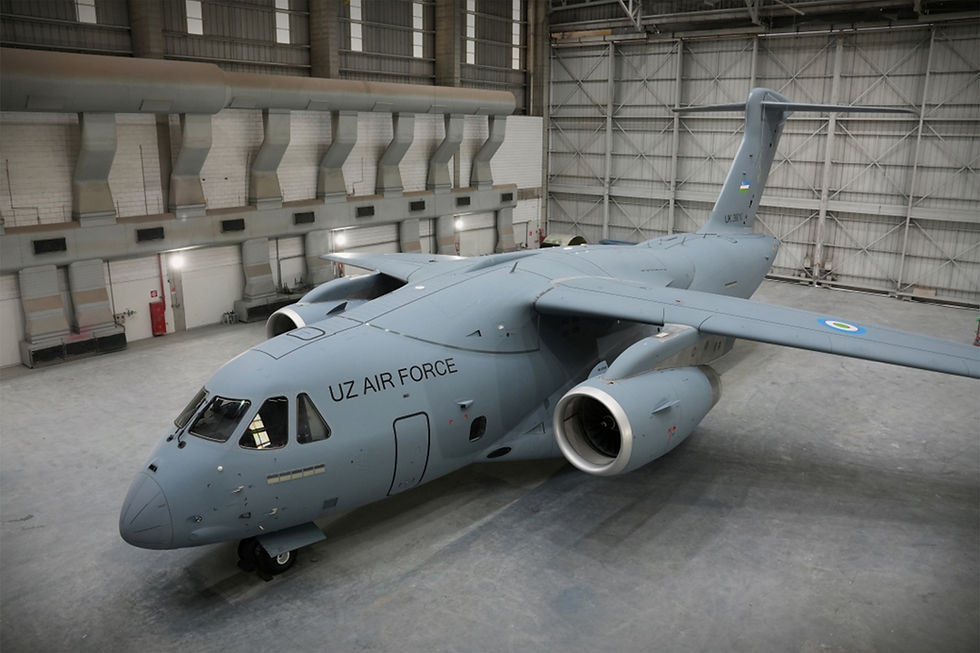
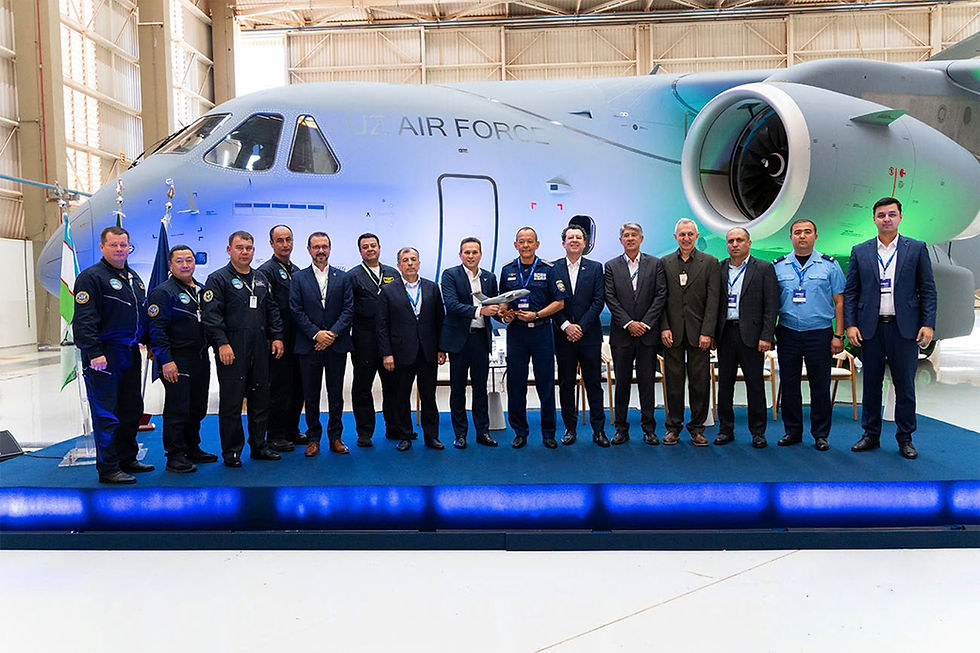
The aircraft was formally handed over to the Uzbekistan Air Force in a ceremony attended by Major General Akhmad Jamolovich Burkhonov, Commander of the Uzbekistan Air Force, and representatives of the Uzbek government. The contract was signed in late 2024 and includes training, technical support and spare parts. Embraer had initially kept the customer anonymous before identifying Uzbekistan at the Singapore Airshow in February this year.
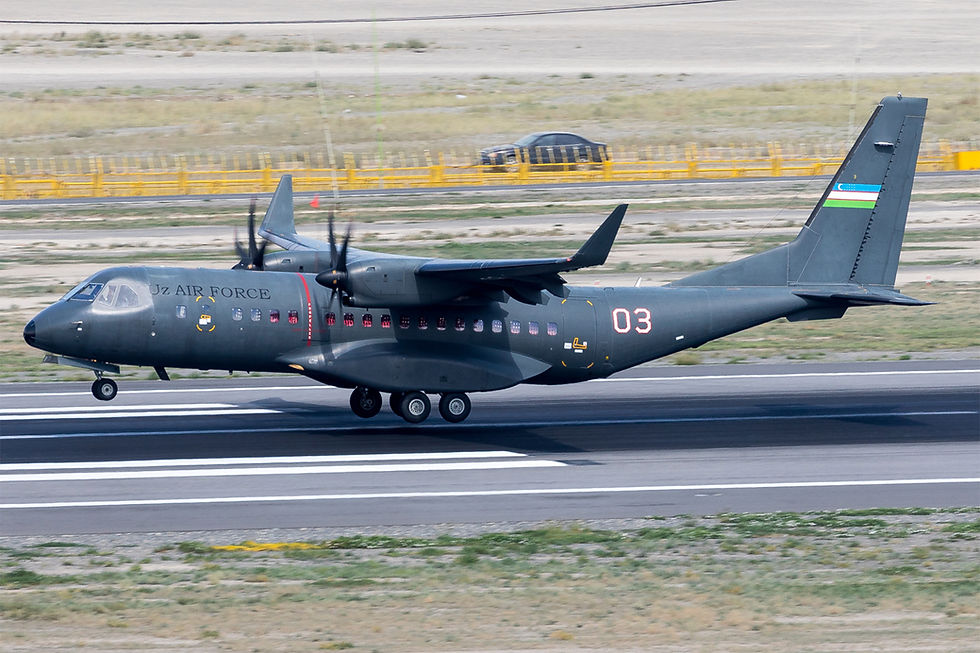
For Uzbekistan, the C-390 is about considerably more than acquiring another aircraft. The country has inherited a transport fleet dominated by ageing Soviet-era designs, including Antonov An-12s, An-24s, An-26s and Ilyushin Il-76s, alongside its Airbus C295W fleet. The arrival of a modern, high-speed jet transport therefore represents a substantial generational leap in capability. The C-390 is intended primarily for transport and humanitarian missions, giving Uzbekistan a considerably more flexible platform for moving personnel and equipment, supporting disaster relief and conducting other air mobility operations.
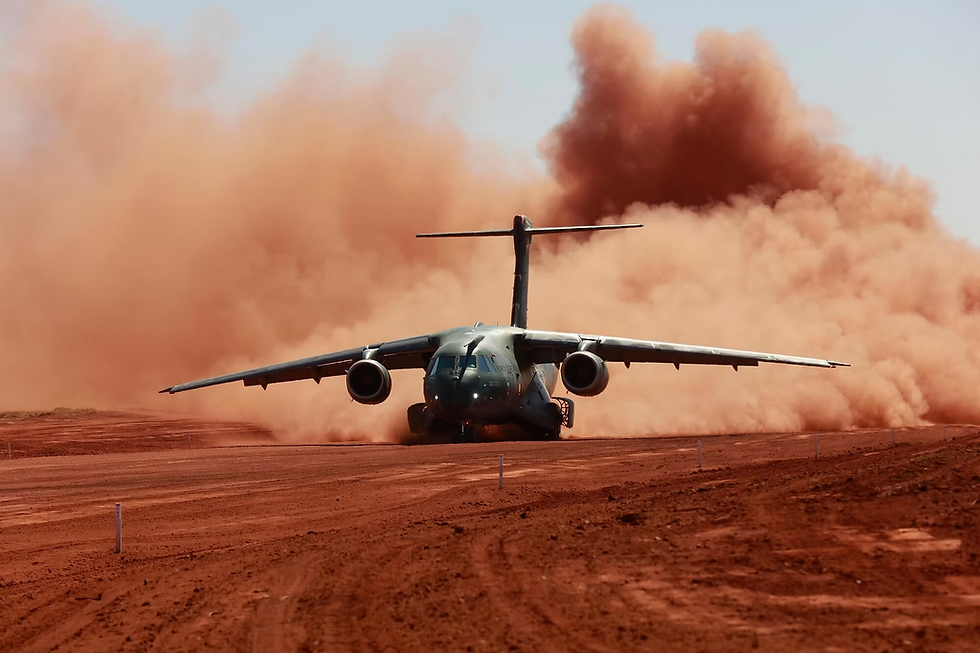
Embraer designed the Millennium around the requirements of modern tactical air mobility, combining the payload capability traditionally associated with larger transports with the speed of a jet. The aircraft can carry up to 26 tonnes of payload and cruise at approximately 470 knots (870 km/h). It can transport troops and cargo, conduct airdrops, perform medical evacuation and search-and-rescue missions, and operate from temporary or unpaved runways. It can also be configured for aerial firefighting and, with the appropriate equipment, can operate as an aerial refuelling tanker.

That combination is one of the reasons the C-390 has attracted so much attention from air forces looking to replace ageing C-130s and other medium transports. The aircraft offers substantially higher speed than traditional turboprop transports while retaining the ability to perform the short-field and tactical missions that make military airlifters different from ordinary cargo aircraft. In other words, it is not simply a big jet that happens to have a rear ramp. It has been designed from the beginning to operate in the rather unpleasant places military transports are frequently expected to visit.
The growing customer list suggests that Embraer may have got the formula right. In addition to Brazil and Uzbekistan, the C-390 has been selected by Portugal, Hungary, South Korea, the Netherlands, Austria, the Czech Republic, Sweden, the United Arab Emirates, Slovakia, Colombia and Lithuania. Argentina and Chile have also expressed interest through letters of intent.
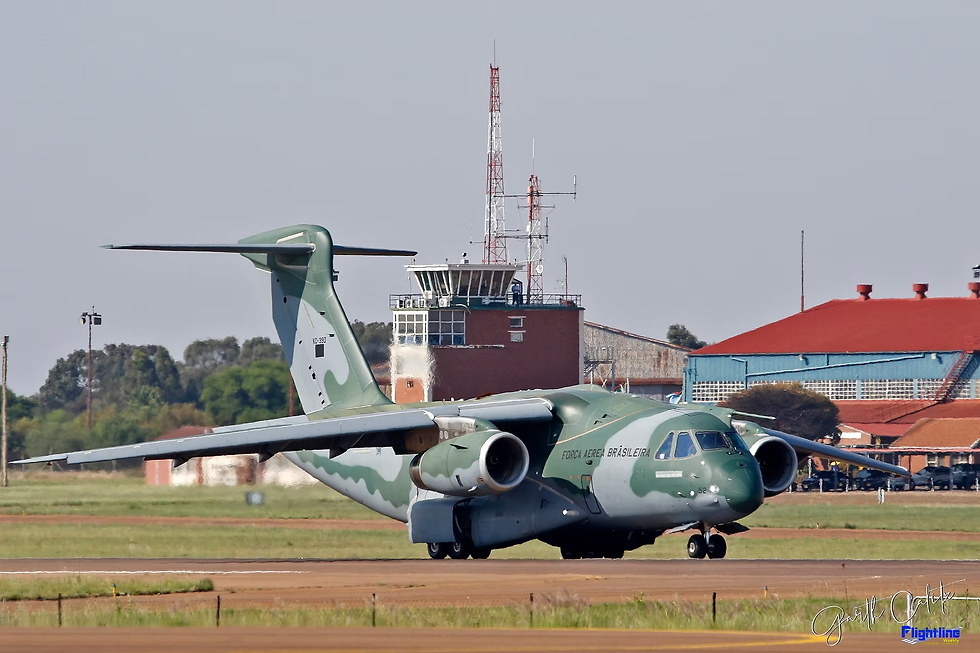
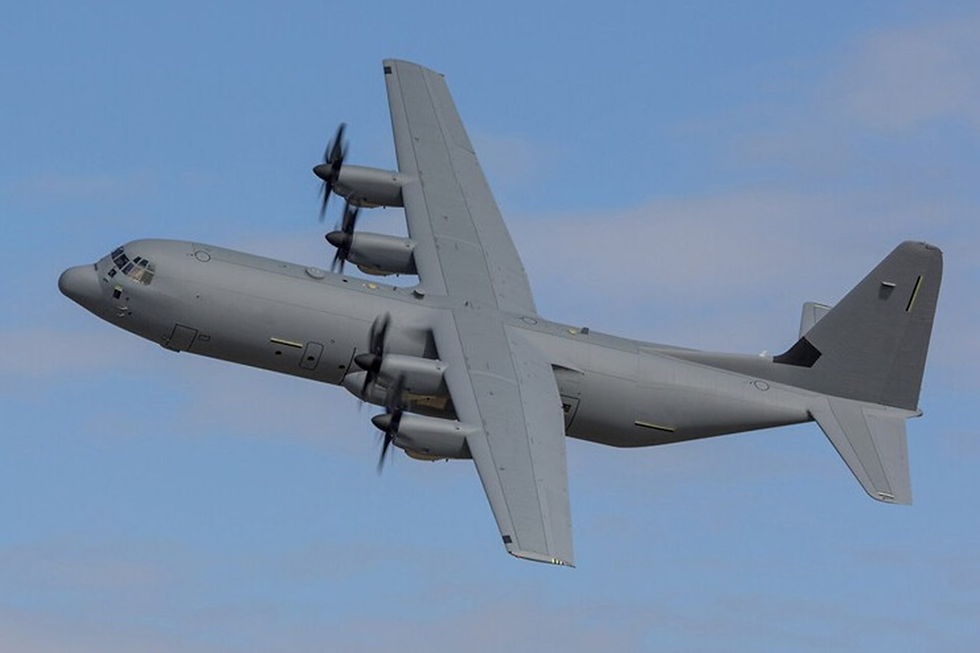
That is a remarkable progression for an aircraft programme that is still relatively young compared with the C-130 family. The Hercules has been around since the 1950s and has accumulated an almost legendary reputation. Embraer therefore isn't trying to replace an obscure aircraft nobody has heard of; it is attempting to persuade air forces to move away from one of the most successful military transport designs ever produced. So far, the strategy appears to be working.
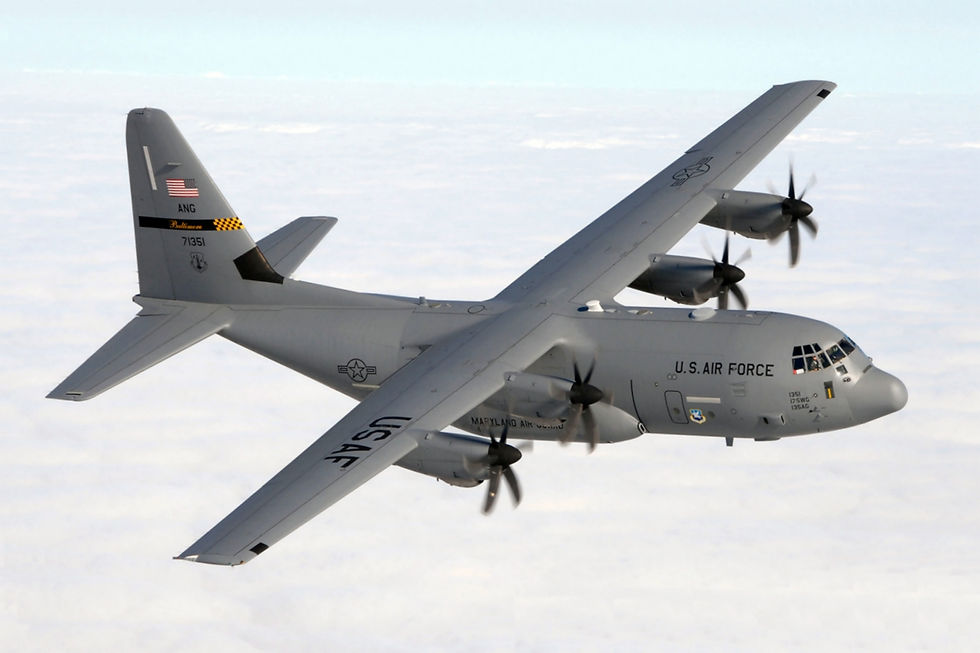
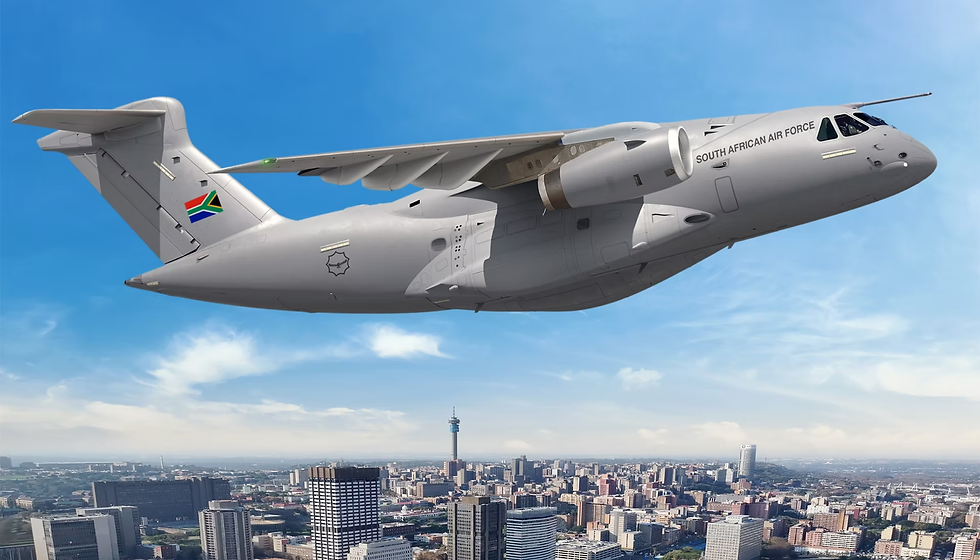
The C-390's success is particularly interesting from a South African perspective. South Africa has previously been identified as one of the countries that has shown interest in the aircraft, although there is currently no South African C-390 order. The aircraft's combination of strategic reach, tactical flexibility and modern systems would make it relevant to a country operating across a huge geographic area and with requirements ranging from conventional airlift to humanitarian assistance and disaster response.
The Uzbek aircraft itself also has an interesting production history. Aviation reporting indicates that the aircraft delivered as UK39010 was originally associated with the Brazilian Air Force production sequence before being reassigned to Uzbekistan. Air Data News identifies it as manufacturer serial number 39000019, although Embraer has not publicly confirmed that identification. The aircraft reportedly flew as PT-CYQ during testing before appearing in its Uzbek markings.
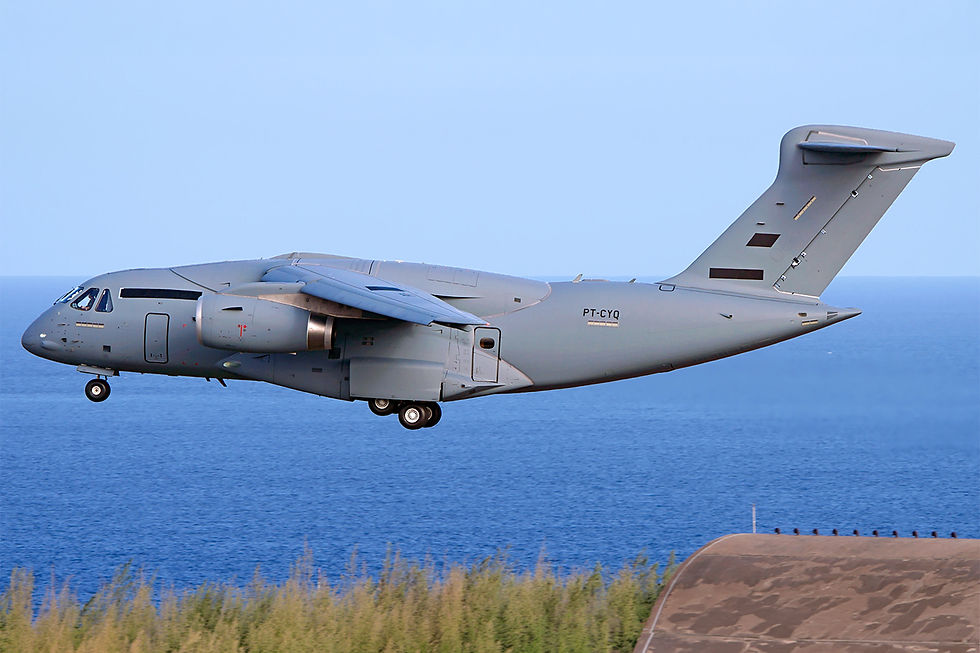
There is another subtle difference worth noting. Unlike the Brazilian KC-390s configured for tanker operations, the Uzbek aircraft appears to be a transport-focused C-390 without the external aerial-refuelling probe. That is entirely consistent with Uzbekistan's stated requirement for transport and humanitarian operations rather than the broader tanker role operated by Brazil.
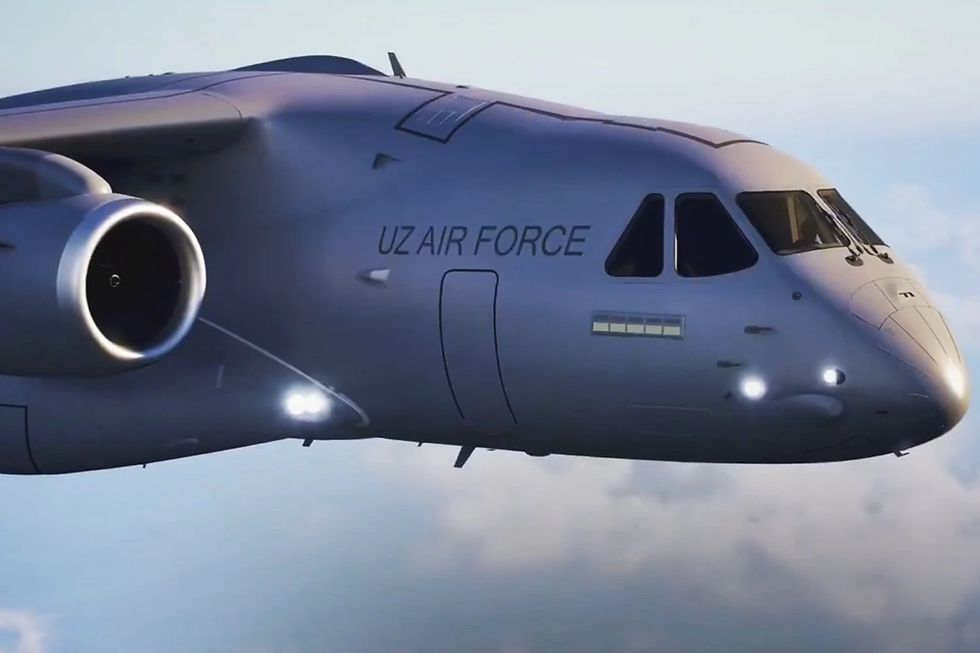
The arrival of the Uzbek aircraft consequently represents more than another delivery from Embraer's production line. It is another indication that the C-390 has moved beyond being an ambitious Brazilian aerospace project and is becoming an international military transport programme. And that could eventually become a headache for Lockheed Martin.
The C-130 Hercules remains one of the world's most successful military aircraft, and the latest C-130J-30 remains a highly capable machine. But the market is changing. Air forces are looking for greater speed, increased payload, modern avionics and the ability to perform multiple missions without maintaining a fleet of specialised aircraft for every requirement. The C-390 was designed around precisely those demands.
Embraer still has plenty of work ahead. Building an international customer base is one thing; establishing a global support network, maintaining production rates and ensuring long-term fleet availability is another. Military transport aircraft are expected to remain in service for decades, so customers are not merely buying an aeroplane. They are buying a relationship with the manufacturer that may last longer than some governments.
For now, however, the Millennium is collecting customers at a healthy rate. Uzbekistan has become the latest country to decide that the future of military airlift might look rather different from its past. And judging by the growing list of countries lining up behind it, the C-390 Millennium may no longer be the aircraft asking whether it can replace the Hercules. It may be the Hercules that needs to explain why it should be worried.





Comments