


RAF Introduces Low-Cost Anti-Drone Weapon for Typhoon Fleet

The Royal Air Force (RAF) has introduced a new low-cost counter-drone capability for its Typhoon fighter aircraft, providing an affordable and effective option for engaging unmanned aerial threats during ongoing operations in the Middle East.

The capability centres on the Advanced Precision Kill Weapon System (APKWS), a laser-guided rocket system that converts standard unguided rockets into precision-guided munitions. Originally developed to provide a cost-effective strike option against ground targets, the system has now been adapted to engage aerial threats, including drones, at a significantly lower cost than conventional air-to-air missiles.
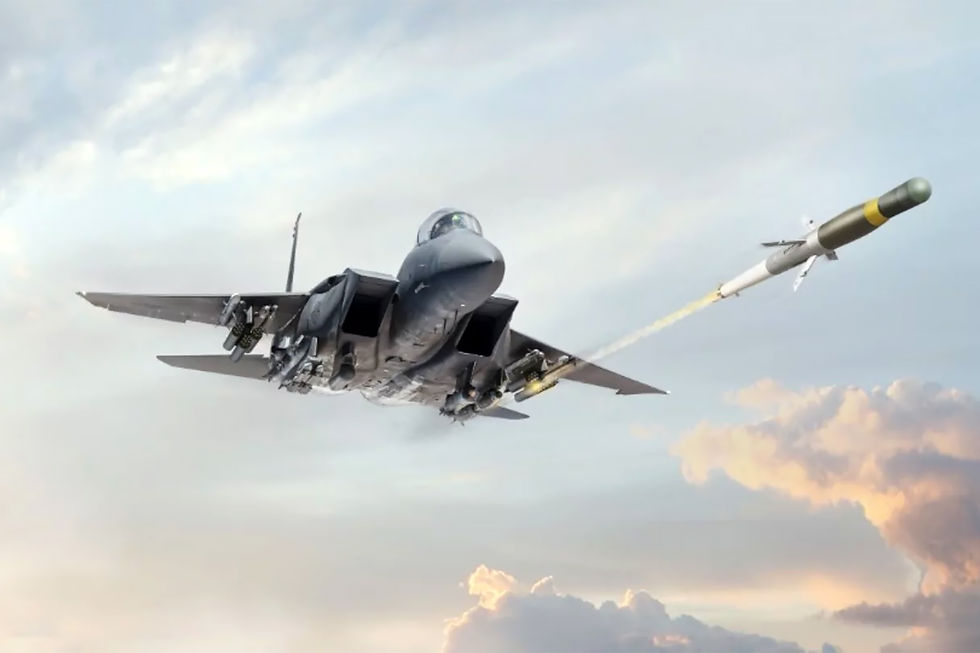
The growing use of unmanned aerial systems across modern conflict zones has highlighted the need for more economical methods of defeating low-cost drones. Traditional air-to-air missiles can cost hundreds of thousands of dollars per shot, making them an expensive solution when used against relatively inexpensive unmanned aircraft. APKWS offers an alternative that allows air forces to preserve more advanced missile stocks while maintaining an effective air defence capability.

The RAF’s adoption of the system follows a rapid development and testing programme involving the Ministry of Defence, defence technology company QinetiQ, and aerospace manufacturer BAE Systems. According to the RAF, the weapon progressed from testing to operational deployment in less than two months, reflecting the urgency of adapting to evolving battlefield requirements.

Critical to the programme were successful air-to-air trials conducted by 41 Test and Evaluation Squadron. These tests demonstrated the ability of APKWS-equipped Typhoons to accurately engage airborne targets, validating the system for operational use.


Air Commodore Donal McGurk, Deputy Director Operations at 11 Group, highlighted the speed of the programme and the value of the new capability. “We welcome the speed of development and meticulous testing behind the deployment of these missile systems for use on our Typhoons. They are a valuable addition to the air defence package we are already employing with agility across the Middle East,” he said.

The integration of APKWS also reflects a broader trend among Western air forces to seek more affordable solutions to the rapidly growing drone threat. Conflicts in Eastern Europe and the Middle East have demonstrated how inexpensive drones can place significant demands on sophisticated air defence systems, creating a need for layered responses that balance effectiveness with affordability.

For the RAF, the addition of APKWS further enhances the capabilities of the Eurofighter Typhoon, which remains the backbone of the UK's combat air power. Alongside its air superiority, strike and air policing roles, the aircraft is increasingly being adapted to counter emerging threats in complex operational environments.

As drone technology continues to evolve and proliferate, low-cost precision weapons such as APKWS are expected to play an increasingly important role in future air defence operations, allowing frontline combat aircraft to maintain persistent protection while managing munitions inventories more efficiently.

For RAF Typhoon crews operating in the Middle East, the new capability provides an additional tool to counter aerial threats with greater precision, flexibility, and cost-effectiveness, reinforcing the aircraft’s role in safeguarding coalition operations across the region.





Comments